
How Motivational Coaching in the Gym Can Shape Your Everyday Mindset
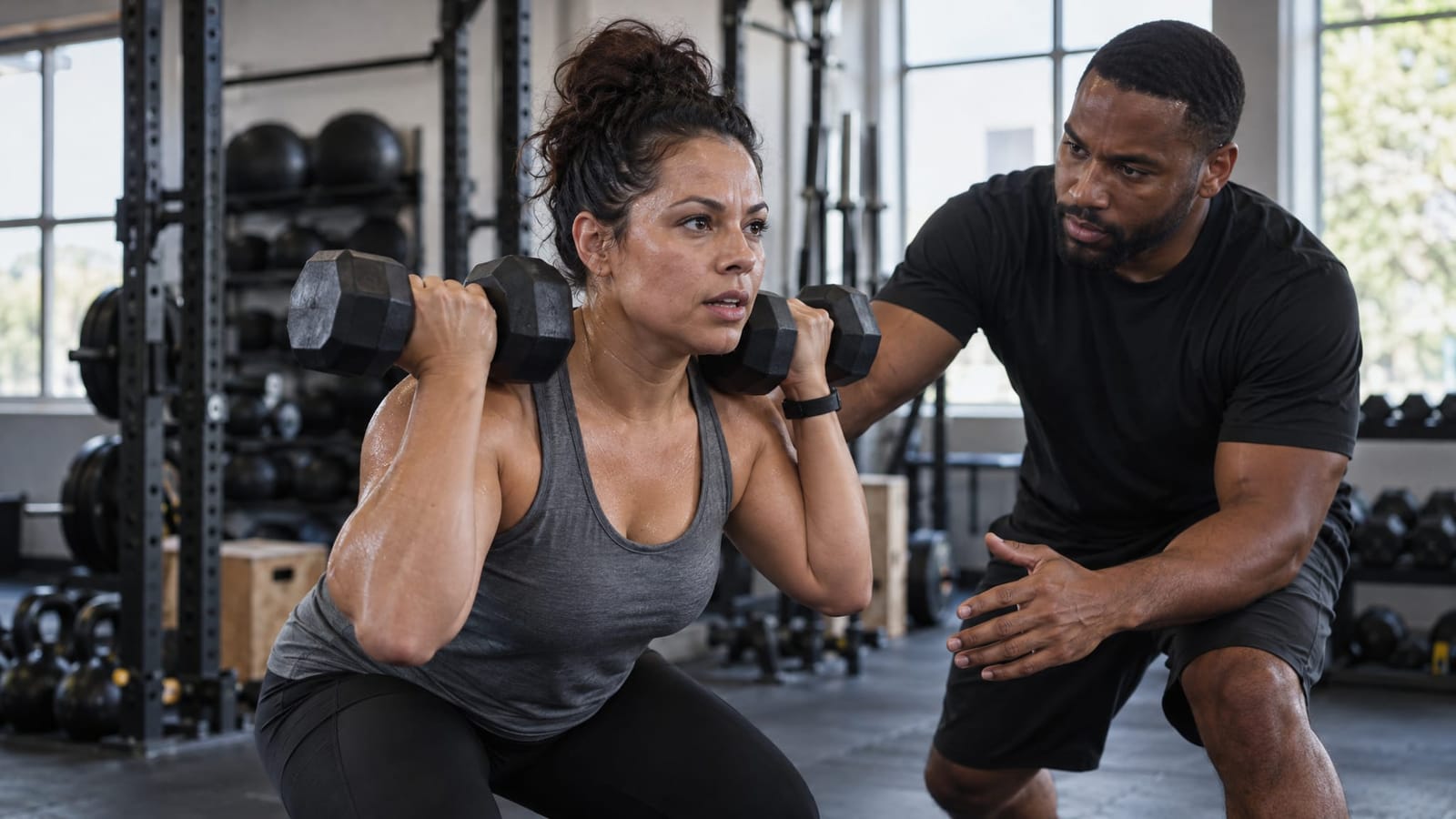
A personal trainer for motivation and accountability can help turn good intentions into clear commitments: when to train, what to practice, and how to respond when a session does not go to plan. The value is not a constant pep talk. It is having someone help you connect effort with a specific next step.
Those habits have uses outside the gym, too. Breaking down a difficult task, accepting feedback, and returning after a setback are all things you can practice during training. Carrying them into everyday life takes deliberate effort, not just an inspiring workout.
Motivation Gets You Interested. Accountability Gives You a Plan.
Motivation is your reason for training. Accountability is the structure around following through. A coach can encourage you, but encouragement works best when it connects to something concrete.
Useful coaching helps clarify:
- Your purpose: What makes training worth making time for?
- Your commitment: Which sessions fit your actual schedule?
- Your focus: What skill or habit are you working on?
- Your review: What helped you follow through, and what got in the way?
For example, wanting more discipline is a broad goal. Planning your arrival time, setting out your training clothes, and showing up ready to learn makes that goal observable. The trainer provides feedback and structure. You remain the person making the commitment.
That distinction matters. Accountability is not waiting for someone else to make you feel ready.
Positive Reinforcement Works Best When It Is Specific
General praise can feel good, but specific feedback tells you what to repeat. In boxing, a coach might recognize that you returned to your stance after a combination or stayed focused on technique instead of rushing.
This gives you a practical way to evaluate a session beyond whether everything felt easy.
Recognize actions you can control
Arriving on time, listening to a correction, asking a useful question, and practicing a skill carefully are meaningful behaviors. They deserve attention alongside physical performance.
A session can be challenging without being a failure. Perhaps a combination still needs work, but you understand the footwork better than when you started. That is a specific detail to build on, not a reason to pretend the whole session was perfect.
Keep encouragement honest
Positive coaching does not mean praising every attempt equally or avoiding correction. It means identifying what worked, explaining what needs attention, and keeping the next task manageable.
Motivational quotes can reinforce that message, but they cannot replace useful instruction. The standard is simple: after receiving feedback, can you explain what to work on next?
How to Carry Training Habits Into the Rest of Your Day
Showing discipline in a workout does not automatically change how you handle every other responsibility. The connection becomes useful when you intentionally apply the same approach elsewhere.
- Break the task into parts. Learning a boxing combination involves working through individual movements. Outside training, the same approach can help organize a large project into a clear first action.
- Separate feedback from judgment. A correction about your stance concerns a skill, not your worth. At work or while learning something new, look for the specific action you can adjust rather than treating every correction as a verdict.
- Prepare before the commitment. Planning enough time to arrive at training translates into a practical question elsewhere: what needs to happen beforehand so you are ready?
- Review a setback without turning it into an identity. Missing a session calls for examining the obstacle. It does not establish that you are an inconsistent person forever.
Choose one connection rather than trying to overhaul your whole routine. If preparation is your training focus, apply that same habit to one recurring responsibility outside the gym.
Look for Accountability Without Shame
A demanding coach and a supportive coach do not have to be different people. Clear expectations can sit alongside respect for where you are starting.
When choosing a trainer, useful questions include:
- How do you set and review training goals?
- How do you handle a missed session or a difficult week?
- How do you give feedback when someone is struggling with a skill?
- How do you help someone take more ownership of their routine?
Look for answers that describe a process, not just enthusiasm. Firm accountability focuses on the commitment and the obstacle. Shame turns the conversation into a judgment about the person.
Community matters here, too. Training alongside others offers shared practice and encouragement. The useful comparison is with your own work, not someone else’s pace or experience.
At Survive 41 in Mount Vernon, our tight-knit community and caring trainers are central to how we approach fitness. Our founder, Gabriel Vargas, built the gym around discipline, determination, consistency, and grit. Yesterday does not define today. That philosophy keeps attention on the effort available now rather than on a perfect record.
Notice Whether the Support Is Becoming Useful
Instead of judging coaching only by how energized you feel afterward, look at what you can explain and repeat.
Can you name your current training focus? Do you understand the feedback you receive? When your schedule changes, can you identify a workable next step? Are you taking responsibility for preparation rather than relying entirely on reminders?
These questions keep the emphasis on practical learning. Feeling motivated is welcome, but knowing how to continue when enthusiasm fades is a more useful test of your routine.
Frequently Asked Questions
Do I need to feel motivated before starting personal training?
No. You can begin with a clear reason for attending and a willingness to learn. Tell the trainer what tends to interrupt your routine so the conversation can focus on practical obstacles rather than a vague lack of willpower.
Is personal training or a group class better for accountability?
Personal training provides a more individual coaching setting. Group classes offer shared structure and encouragement from other participants. The better fit depends on which kind of support you value. We offer personal training and group classes at Survive 41, including boxing, HIIT, and strength training.
Is motivational fitness coaching the same as mental health care?
No. Fitness coaching concerns exercise, skills, and training habits. For anxiety, depression, or other mental health concerns, a licensed mental health professional can address your individual situation. A trainer’s role is fitness support, not diagnosis or treatment.
Build Follow-Through, Not Perfection
The most useful motivational coaching connects encouragement to action. Clear commitments, specific feedback, and respectful accountability give you habits to practice. Outside the gym, the opportunity is to apply those same habits deliberately, one responsibility at a time.