
Recovery Center Services at Survive 41: IV Therapy, Massage & Stretch Coaching Explained
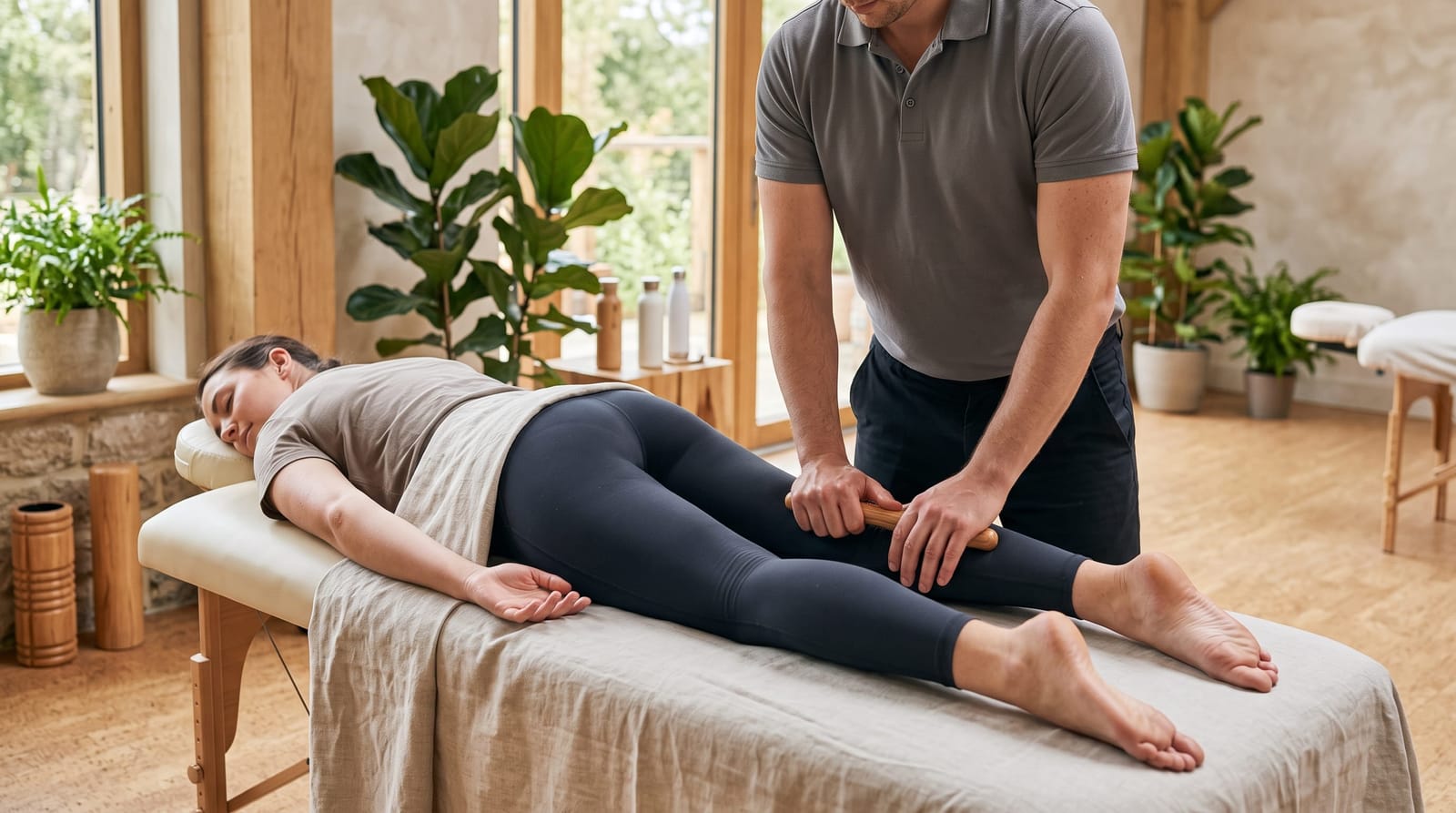
At Survive 41 in Mount Vernon, our gym recovery center services include massage, stretch coaching, and IV therapy. These are different services with different purposes. Massage is hands-on bodywork. Stretch coaching focuses on learning and practicing stretches. IV therapy delivers fluid directly into a vein and involves a medical decision, not just a fitness preference.
A complete fitness routine makes room for recovery alongside boxing, HIIT, and strength training. That does not mean adding every available service to your schedule. It means understanding what each option involves, choosing it for a clear reason, and keeping everyday recovery habits in the picture.
Recovery is part of the training plan, not an extra challenge
It is easy to put classes on a calendar and leave recovery unplanned. But training time is only one part of the week. Sleep, regular meals, everyday hydration, and time between demanding sessions belong in that same picture. A recovery appointment does not replace those basics.
This matters when you follow a hybrid workout combining boxing, HIIT, and strength training. Different sessions can place demands on the same areas. Boxing and lifting may both involve substantial shoulder work, while HIIT and lower-body strength sessions may both challenge the legs. Different class names do not automatically mean completely separate workloads.
Recovery services are best understood as options within that wider routine. The first question is not, “What else can I add?” It is, “What purpose would this serve?” Learning a stretch, setting aside time for massage, and considering a medical infusion are three very different decisions.
Massage: hands-on bodywork with clear preferences
What massage involves
Massage uses hands-on techniques to work with muscles and other soft tissues. Unlike a workout or a coached stretching session, it does not center on completing exercises or learning a movement sequence.
People often choose massage because they want time for relaxation or prefer hands-on attention to areas that feel tight. Those preferences give the session a purpose without turning it into a promise about soreness, performance, or how quickly someone will be ready for another workout.
Pressure is an important distinction. More pressure is not a measure of a better session, and massage is not another test of toughness. Describing what feels comfortable, what feels excessive, and which areas you prefer not to have worked on provides useful direction.
Who might consider massage?
Massage may appeal to someone who wants hands-on bodywork rather than movement instruction. For example, a person who already understands their stretching routine may prefer massage as a separate, quieter part of their week. Someone whose main question is how to position their body during a stretch has a different goal, one that fits coaching more closely.
A clear description of the purpose is more useful than a broad request to “fix everything.” Helpful points to communicate include:
- Whether the priority is general relaxation or attention to a particular area.
- Preferences about pressure and areas to avoid.
- What training has been part of the recent schedule.
- Any discomfort during the session, rather than treating it as something to endure.
Massage is an optional part of a routine, not something a person has to earn through a punishing workout.
Stretch coaching: learning the movement, not chasing a deeper stretch
What a stretch coach does
Stretch coaching focuses on how a stretch is performed. The work can include positioning, controlled movement, and understanding which part of the body a stretch is intended to involve. The distinction is instruction: instead of copying a position and guessing, the person learns what they are practicing.
Range of motion describes how far a joint can move. Stretching is one way people practice moving within a range, but reaching farther is not the only useful goal. A clearer setup, less unnecessary movement elsewhere, and a position that is easier to repeat can all be meaningful learning goals.
For example, two people may appear to perform the same stretch while using different positions through the hips or back. Coaching brings attention to those details. The task is controlled practice, not matching the person beside you.
Who might find the instruction useful?
Stretch coaching may suit someone who regularly skips stretching because they do not know where to begin. It may also interest an experienced exerciser who knows several stretches but wants clearer instruction on their setup.
Useful learning goals include:
- Understanding the intended purpose of a particular stretch.
- Learning a repeatable starting position.
- Distinguishing deliberate movement from simply reaching farther.
- Organizing a manageable routine rather than collecting unrelated exercises.
The value is not in making the routine look complicated. A few movements that a person understands can be more practical than a long list they cannot confidently repeat. Our overview of what a stretch coach does explains the role in more detail.
IV therapy: a medical procedure, not a standard workout add-on
How it differs from massage and stretching
IV stands for intravenous, meaning into a vein. An IV infusion delivers fluid through a needle or catheter placed in a vein. That makes it fundamentally different from hands-on bodywork or instruction in stretching.
IV procedures carry risks, including infection and reactions to infusion contents. Decisions about IV therapy, as well as recovery concerns involving pain, injury, or medical conditions, need assessment by a licensed healthcare professional who can consider your own situation.
IV therapy is part of our recovery offerings, but its presence in a gym does not make it an ordinary training requirement. Being active, finishing a difficult class, or wanting a more complete routine does not by itself establish a reason for an infusion.
Who is it for?
That question depends on a medical assessment, rather than whether someone is a beginner or an experienced athlete. The relevant issue is whether there is an appropriate reason for the procedure in that person’s circumstances.
A useful discussion with the healthcare professional assessing the procedure can cover:
- What specific concern the infusion is intended to address.
- What the infusion contains and why those contents are being considered.
- How medical history and current medications affect the decision.
- What risks and alternatives are relevant.
The decision is not simply whether an IV sounds more advanced than drinking fluids or taking a rest day. The procedure needs its own purpose. Our explanation of IV therapy for fitness recovery takes a closer look at that distinction.
Choose by purpose, not by how many services are available
A one-stop gym offers convenience, but the services are not a checklist. A useful starting point is a plain-language description of what you want from the experience.
“I want hands-on bodywork and time to relax.” That points toward considering massage. The conversation centers on preferences, comfort, and the purpose of the session.
“I keep guessing when I stretch.” That points toward stretch coaching. The goal is instruction: understanding positions and practicing movements that make sense to you.
“I think an infusion might address a health concern.” That belongs in the medical decision process described above, not in a comparison of gym amenities.
It is also reasonable to focus on the training schedule before adding anything. If the week is already crowded with demanding sessions and appointments, another service may make the routine more complicated rather than simpler. Recovery does not need to become another performance target.
Fit recovery into the whole training week
Look beyond the most recent workout
A single hard class tells only part of the story. Work commitments, late nights, several demanding training days, and limited downtime can all shape the week. Looking at the full schedule provides more useful context than choosing a recovery service immediately after the toughest session.
A simple training note can record:
- Which sessions felt demanding and which were lighter.
- Where similar movements appeared across different workouts.
- Where the schedule left room for rest and regular sleep.
- What specific purpose a massage or stretch-coaching session would serve.
This is planning, not grading yourself. Consistency comes from a routine that can fit real life, not from filling every available hour.
Keep coaching and class commitments connected
For someone combining personal training and group fitness classes, it helps to view both as parts of one schedule. Personal training is a setting for discussing training priorities; group classes bring shared effort and a regular commitment. Neither exists in isolation from the rest of the week.
For example, a schedule that includes boxing, strength training, and HIIT does not automatically need a recovery appointment after every session. The useful decision is how demanding those sessions are together, followed by whether massage or stretching instruction has a clear place.
Appointments also take time. Allowing room to arrive on time, explain the purpose of the session, and avoid rushing straight into the next commitment makes recovery easier to organize.
What the one-stop setting adds at Survive 41
At Survive 41, we bring boxing, HIIT, strength training, personal training, and recovery offerings together in Mount Vernon. That gives members training and recovery options in one setting, alongside the tight-knit community at the center of our gym.
The practical advantage is simpler logistics. It is not a claim that every service belongs in every routine. Massage offers hands-on bodywork, stretch coaching offers movement instruction, and IV therapy requires a separate medical decision.
Discipline includes showing up and putting in the work. It also includes making thoughtful choices about the rest of the week. A complete routine is not the one with the most appointments. It is one where the training, recovery habits, and optional services each have a clear purpose.