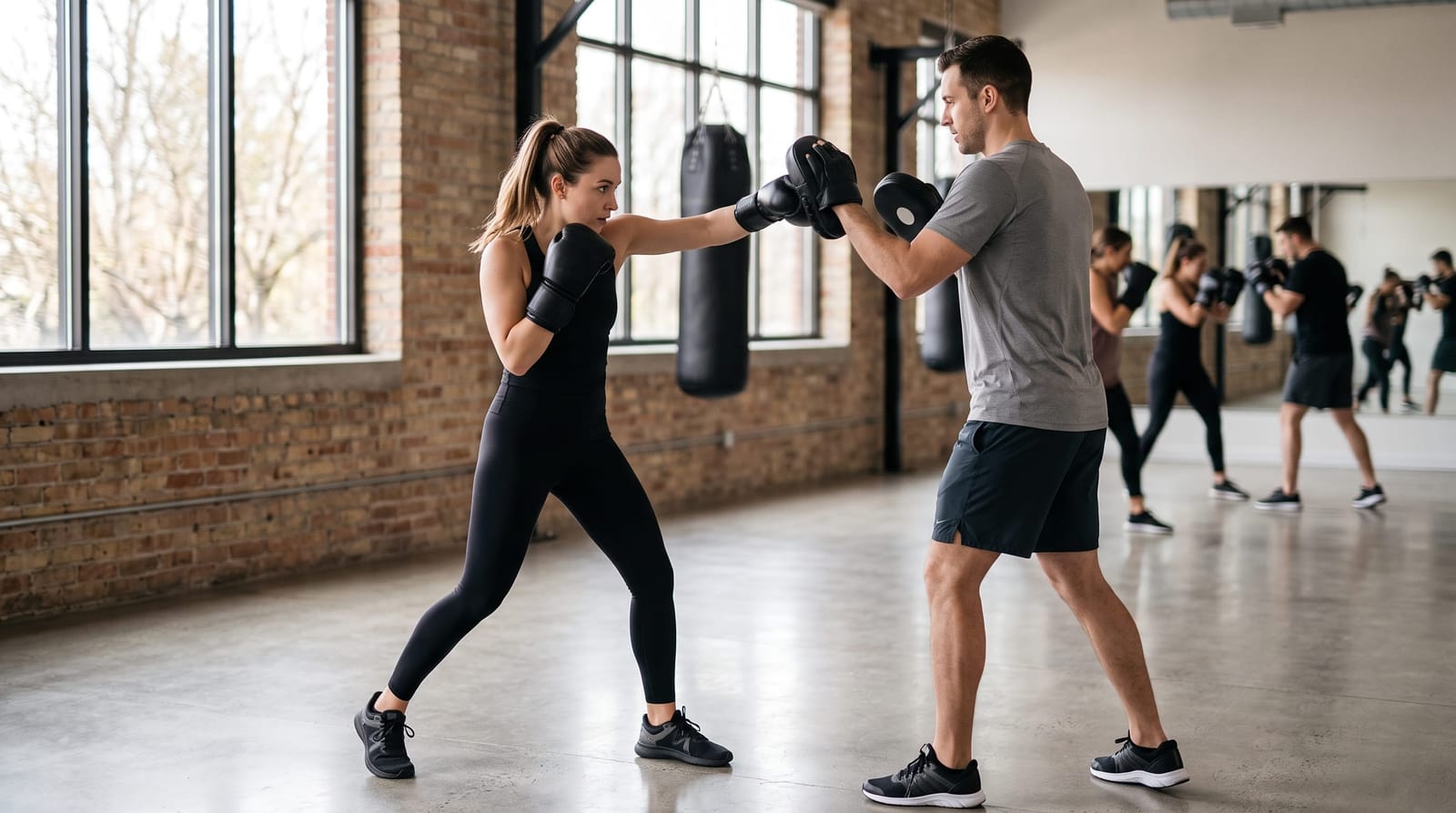
Strength Training at Survive 41: How Lifting Completes Your Boxing & HIIT Training
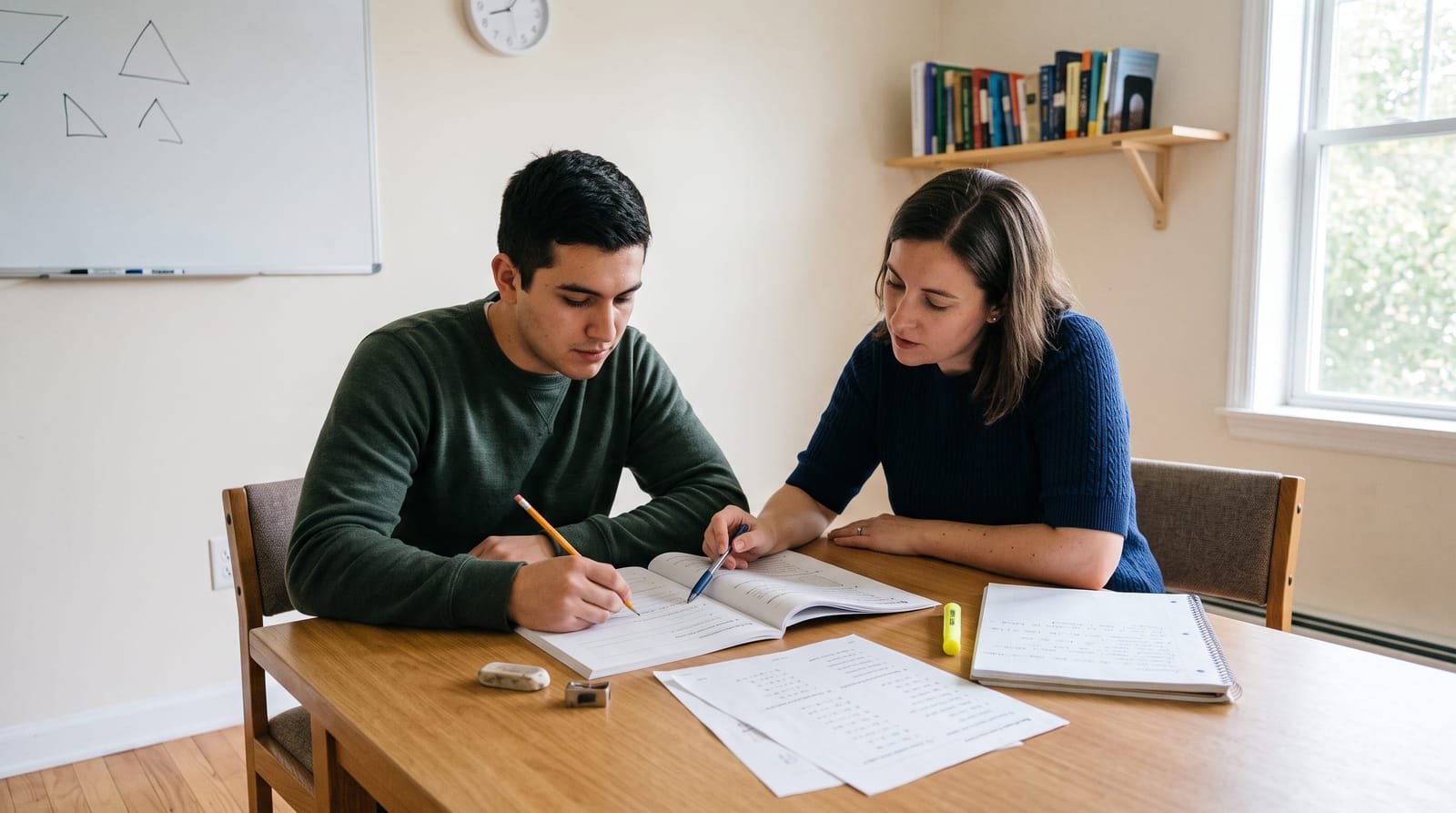
Strength training complements boxing and HIIT by adding dedicated resistance work, with deliberate repetitions and rest between sets. Boxing develops skills such as stance, footwork, and combinations. HIIT organizes effort into demanding work intervals and recovery periods. Lifting gives your routine another clear purpose, rather than simply adding more fast-paced exercise.
At Survive 41 in Mount Vernon, we bring boxing, HIIT, and strength training together. The goal is not to squeeze every activity into every visit. It is to give each session a job and build a routine you can follow consistently.
Whether you are starting with lifting or adding it to regular classes, the key decisions are the same: what strength work contributes, where it fits in your week, and how much instruction you need.
What Strength Training Adds to Boxing and HIIT
Variety gives you options. A coherent routine explains why each option belongs.
| Training method | Primary session focus | What distinguishes it |
|---|---|---|
| Boxing | Practicing stance, footwork, punches, timing, and combinations | Skill practice matters; effort alone does not define the session |
| HIIT | Alternating demanding work intervals with recovery periods | The timing and organization of effort shape the workout |
| Strength training | Performing movements against resistance | Resistance, repetitions, technique, and rest guide the session |
These categories can overlap. A conditioning circuit might include weights, and a boxing class might include intervals. But using weights against the clock is not necessarily the same as dedicated strength work with planned rest between sets.
The broader relationship is explained in how a hybrid workout combines boxing, HIIT, and strength training. For lifting, the important distinction is having a defined role rather than becoming an extra challenge at the end of an already demanding class.
Lifting does not replace boxing practice
Moving a heavier weight and learning a cleaner combination are different tasks. A lifting session cannot substitute for practicing distance, timing, or footwork. Equally, repeating punches does not offer the same structured loading choices as a resistance-training session.
Keeping those goals distinct makes progress easier to discuss. In boxing, you might focus on maintaining your stance through a combination. In lifting, you might focus on repeating an exercise with consistent control. Neither needs to be measured only by how exhausted you feel afterward.
Strength work does not have to become another circuit
If your boxing and HIIT classes already include plenty of fast-paced work, another timed circuit with light weights may largely repeat that format. A lifting session organized around deliberate repetitions, resistance, and rest creates a clearer contrast.
The practical question is: “What does this session add that the rest of the week does not?” More intensity is not the only useful answer. Practicing a movement, following planned sets, or recording your work can give the session a specific purpose.
Build a Strength Routine You Can Understand
A useful program explains what you are practicing, how the work is organized, and what changes over time. It does not need a constantly changing exercise list to be worthwhile.
Organize exercises by movement, not novelty
Strength programs commonly use broad movement categories. These give you a vocabulary for understanding a routine without tying it to one machine or piece of equipment:
- Squatting: lowering and raising the body through a squat pattern.
- Hinging: moving primarily through the hips, as in a deadlift pattern.
- Pushing: moving resistance away from the body.
- Pulling: bringing resistance toward the body.
- Carrying or holding: maintaining a position while supporting resistance.
These categories help explain exercise choices; they are not a checklist for every visit. The selection depends on your experience, the session’s purpose, and the equipment being used.
Repeat enough to learn and compare
Constantly changing exercises makes it harder to compare sessions. Repeating selected movements gives you something concrete to practice and record.
A simple training log can include the exercise, resistance, completed sets and repetitions, and a short note about control or difficulty. A note such as “last repetitions were less controlled” gives the next session more context than “hard workout.” Boxing notes can stay separate, covering skills practiced and coaching cues.
These records do not need to be complicated. Their job is to make the work visible so that the next decision is based on more than memory.
Change one part of the plan deliberately
Resistance, repetitions, sets, exercise complexity, and rest are separate programming choices. Changing several at once makes it difficult to identify why a workout felt different.
For example, adding resistance while also adding sets and shortening rest changes several demands at the same time. A clearer approach identifies which variable is changing and why. A coach can help explain that decision. Discipline includes following the intended session, not turning every day into a test.
Fit Lifting Around Boxing and HIIT
Work commitments, travel, training experience, and the demands of each session all affect how a week fits together. Three useful scheduling approaches offer different tradeoffs:
- Separate sessions: lifting and boxing happen on different visits, giving each a clear focus. The tradeoff is more trips to the gym.
- Combined visits: one visit includes both activities. This can simplify travel, but it requires more attention to session length, order, and total workload.
- A primary focus: one activity takes priority while the others play supporting roles. This means accepting that every session cannot emphasize everything.
Choose session order by purpose
When two activities share a visit, the first gets your attention before the second has added fatigue. That makes order worth discussing with a coach, particularly when unfamiliar movements or detailed skill practice are involved.
Rather than treating “always lift first” or “always box first” as a rule, identify the main task for that visit. If you are concentrating on a new boxing combination, that creates a different priority from a visit centered on learning a lifting movement.
A practical planning sequence is to identify the sessions you want to prioritize, place them in realistic time slots, and then consider what else fits. Adding every available class first and sorting out the workload afterward makes the routine harder to manage.
Look for Clear Instruction and Room to Ask Questions
The training process matters as much as the exercise list. Useful questions about instruction include:
- How are unfamiliar exercises introduced?
- Who explains equipment setup and movement technique?
- How are exercise alternatives discussed?
- How is a session adjusted when a movement is uncomfortable or difficult to complete?
- How are the demands of lifting considered alongside other classes?
Discipline includes arriving on time, listening to instruction, and communicating honestly about the work. Asking for an explanation is part of learning, whether you are new to lifting or experienced in another training style.
For pain, an existing injury, or a medical condition, a licensed healthcare professional can assess which activities are appropriate for your situation.
Match the Training Format to the Support You Need
We offer strength training, boxing classes, HIIT classes, group classes, and personal training. Our hybrid approach brings dedicated lifting alongside boxing, HIIT, and community, with different ways to take part in training.
When comparing formats, distinguish access from instruction. Access to a training area, participation in a coached class, and individual programming serve different needs. Someone comfortable following a written routine may be looking for something different from someone learning their first lifting movements.
Understanding how strength training access and coaching fit your routine starts with a few practical questions:
- Inclusions: Which training sessions and services are included in the membership being considered?
- Scheduling: Which sessions fit the times you can consistently attend, and what booking arrangements apply?
- Instruction: How much individual explanation and feedback do you want?
- Coordination: How will strength work fit alongside your boxing and HIIT sessions?
The distinction between shared coaching and individual attention is explored further in combining personal training and group fitness classes. Group training provides a shared workout setting. Personal training provides individual attention. The useful choice depends on the support you want, not on treating one format as automatically better.
Make location part of the plan
If you are comparing strength training gyms in Yonkers with our Mount Vernon location, look beyond the equipment list. Travel time, usable training hours, booking requirements, and membership inclusions affect whether a routine fits your week.
A combined visit may make sense when travel takes a significant part of your available time. Separate visits may work better when you prefer a shorter session with one clear focus. The right arrangement is one you can follow without regularly rushing or missing the start.
Give Every Session a Purpose
Strength training completes a hybrid routine when it contributes deliberate resistance work and repeatable practice alongside boxing skills and interval conditioning. It does not have to compete with those activities or make every visit harder.
Yesterday does not define today. What matters now is showing up for a routine you understand, giving the planned work your attention, and building consistency one session at a time.