
What Is IV Therapy for Athletes and Is It Worth It?
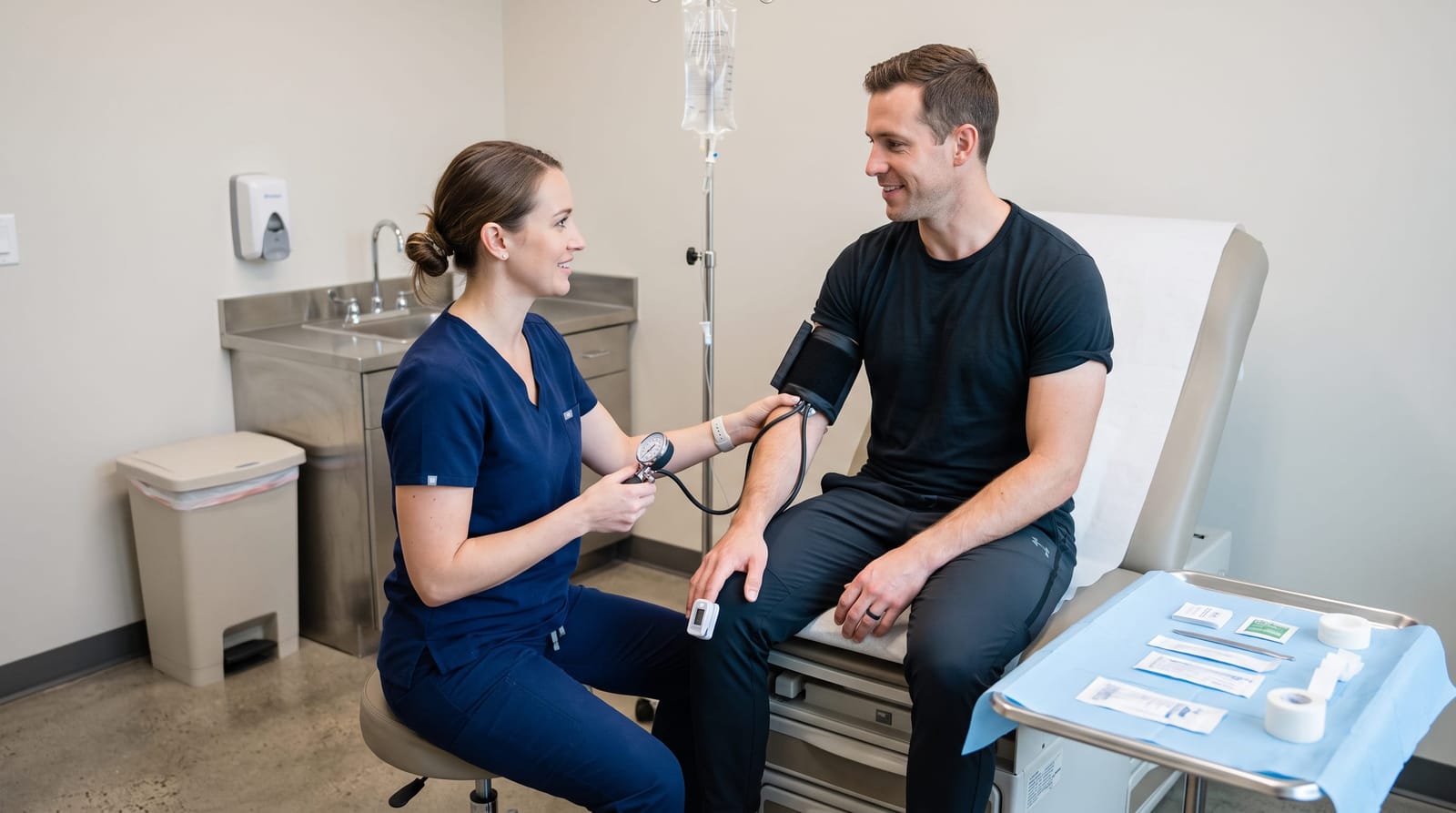
You've probably seen IV therapy pop up at wellness clinics, gyms, and even pop-up tents at marathons. But if you've never tried it, or even looked into it, the concept can feel more like a hospital visit than a fitness tool. If you're training hard and looking for smarter recovery options, IV therapy for fitness recovery is worth understanding. This post breaks down exactly what it is, who it's designed for, what the research actually says, and how it fits into the kind of holistic training environment Survive 41 is built around.
What Is IV Therapy, Exactly?
IV therapy, short for intravenous therapy, delivers fluids, electrolytes, vitamins, and other nutrients directly into your bloodstream through a small catheter inserted into a vein, typically in your arm. The process bypasses your digestive system entirely, which is the key distinction from drinking a sports drink or swallowing a supplement.
When you consume nutrients orally, your body absorbs only a fraction of what's actually in the product. Depending on the nutrient and your individual gut health, oral absorption rates can range widely: some studies suggest certain oral vitamins are absorbed at rates as low as 20-50%, while IV delivery can achieve near 100% bioavailability. That gap matters when your body is depleted after intense training.
A standard fitness recovery IV drip typically contains:
- Sterile saline or lactated Ringer's solution (for hydration)
- Electrolytes like sodium, potassium, and magnesium
- B-complex vitamins (particularly B12 and B6)
- Vitamin C
- Amino acids to support muscle repair
Some formulations also include add-ons like glutathione (an antioxidant), zinc, or anti-nausea and anti-inflammatory medications, depending on the provider and your needs. Always consult a licensed medical professional before undergoing any IV therapy to determine whether it's appropriate for your health situation.
How Does IV Therapy Support Fitness Recovery?
Intense training, think HIIT circuits, heavy lifting, or boxing conditioning work, puts significant stress on your muscles and your body's internal environment. During a demanding workout, you can lose anywhere from 1 to 2.5 liters of fluid per hour through sweat, along with critical electrolytes that regulate muscle contractions, nerve signals, and energy production. Even mild dehydration, as little as 2% of your body weight: has been shown to measurably decrease athletic performance and increase perceived fatigue.
IV therapy for fitness recovery targets three primary outcomes:
1. Rapid Rehydration
Oral rehydration takes time: typically 45 minutes to several hours for fluids to fully enter circulation through your gut. IV hydration moves directly into your bloodstream, making it significantly faster for people who are severely depleted after training, competition, or back-to-back sessions.
2. Electrolyte Restoration
Magnesium, in particular, is frequently depleted in active people. Research suggests that up to 57% of Americans don't consume adequate magnesium, and heavy sweating accelerates that depletion. Low magnesium is linked to muscle cramps, poor sleep, and reduced energy production, all of which directly undermine recovery.
3. Nutrient Replenishment
B vitamins are critical to converting food into usable energy and supporting red blood cell production. Amino acids like glutamine help repair muscle tissue and support immune function, which tends to dip after high-volume training. Delivering these nutrients intravenously ensures they're available to your cells almost immediately rather than waiting for digestion.
It's worth noting that IV therapy is most commonly studied and used in clinical and sports medicine contexts. While many athletes report feeling noticeably better after a session, the scientific literature on performance enhancement specifically is still growing. Think of it as a recovery tool, not a shortcut.
Hydration IV vs. Nutrient IV: What's the Difference?
Not all IV drips are the same, and understanding the distinction helps you make a more informed choice when speaking with a medical provider.
Hydration IVs are the most basic formulation: typically saline with electrolytes. These are best suited for acute dehydration after intense exercise, hot-weather training, or back-to-back competition days. If you finished a brutal Saturday morning HIIT class and feel completely wrung out, a hydration drip is the most direct solution.
Nutrient IVs (sometimes called "cocktail" drips or named formulations) add vitamins, minerals, and amino acids to the base fluid. These are geared toward athletes looking to support energy metabolism, reduce oxidative stress, and accelerate muscle repair, not just replace lost water. The well-known "Myers' Cocktail," for example, includes B vitamins, vitamin C, calcium, and magnesium and has been used in integrative medicine settings for decades.
The right option for any individual depends on their training load, dietary habits, health status, and specific goals. A qualified medical professional should always be the one making that recommendation: IV therapy is a clinical service, not a DIY wellness hack.
Who Actually Benefits Most from IV Therapy for Fitness Recovery?
IV therapy isn't necessary for everyone who works out. For most people training at moderate intensity a few times a week, eating a balanced diet and drinking adequate water throughout the day covers the bases. But there are specific scenarios where IV therapy for fitness recovery offers genuine, practical value:
- High-frequency trainers: Athletes training 5-7 days per week with limited recovery windows between sessions
- Endurance and competition athletes: People completing long-distance events, fight camps, or tournaments where cumulative depletion stacks up over days
- Individuals with poor gut absorption: Those who have digestive conditions that limit how well they absorb oral nutrients
- People returning from illness: Recovering from illness while trying to maintain fitness can leave the body significantly depleted
- Busy adults with demanding schedules: When sleep and nutrition are imperfect, targeted nutrient delivery can help bridge the gap
If you train at a high intensity, the kind of sessions that combine boxing, strength work, and conditioning in one go, your recovery demands are legitimately elevated. That's exactly the type of member Survive 41's recovery services are built around.
Why Survive 41 Offers IV Therapy as Part of a Complete Training Experience
Most gyms send you home after your workout and leave recovery entirely up to you. Survive 41 takes a different approach. As a hybrid gym built around the idea that serious training demands serious recovery support, we offer IV therapy alongside other recovery tools because we understand that how you recover determines how well you train next time.
Recovery isn't an afterthought here: it's part of the program. Just like working with a stretch coach benefits your flexibility and injury prevention, IV therapy for fitness recovery addresses the internal side of what your body needs after pushing hard. Together, these services create a recovery ecosystem that most standalone gyms simply can't offer.
Combining high-output training with intentional recovery isn't a luxury approach: it's the smart one. When your body gets what it needs to repair and recharge, you show up to your next session stronger, not just less sore.
Frequently Asked Questions About IV Therapy for Fitness Recovery
How long does an IV therapy session take?
Most IV therapy sessions run between 30 and 60 minutes, depending on the volume of fluid and the specific formulation being administered. It's a relatively low-disruption service: many people read, listen to podcasts, or decompress during the session.
Is IV therapy safe for regular gym-goers?
IV therapy administered by licensed medical professionals in a clinical or supervised setting is generally considered safe for healthy adults. As with any medical procedure, individual health history matters. You should always consult a licensed healthcare provider before starting IV therapy to confirm it's appropriate for your specific situation.
How often should athletes get IV therapy?
Frequency varies widely by individual need, training volume, and what a medical provider recommends. Some athletes use it strategically around competition or particularly demanding training weeks; others incorporate it on a more regular schedule. There's no universal "correct" frequency: a qualified provider should guide that decision based on your health and goals.
Can IV therapy replace good nutrition and sleep?
No. IV therapy is a supplemental recovery tool, not a substitute for foundational habits. Consistent sleep, adequate protein intake, hydration throughout the day, and a nutrient-dense diet remain the cornerstones of athletic recovery. IV therapy works best as a complement to those habits, not a workaround for skipping them.
The Bottom Line on IV Therapy for Fitness Recovery
IV therapy for fitness recovery delivers fluids, electrolytes, B vitamins, amino acids, and other nutrients directly into your bloodstream: bypassing the digestive system for faster, more complete absorption. It's most valuable for high-frequency athletes, people with elevated recovery demands, and anyone whose training intensity outpaces what diet and hydration alone can address. It's not magic, and it's not for everyone, but when used correctly under professional guidance, it's a legitimate recovery tool. At Survive 41, it's one piece of a larger recovery strategy designed to keep you training at your best, consistently.