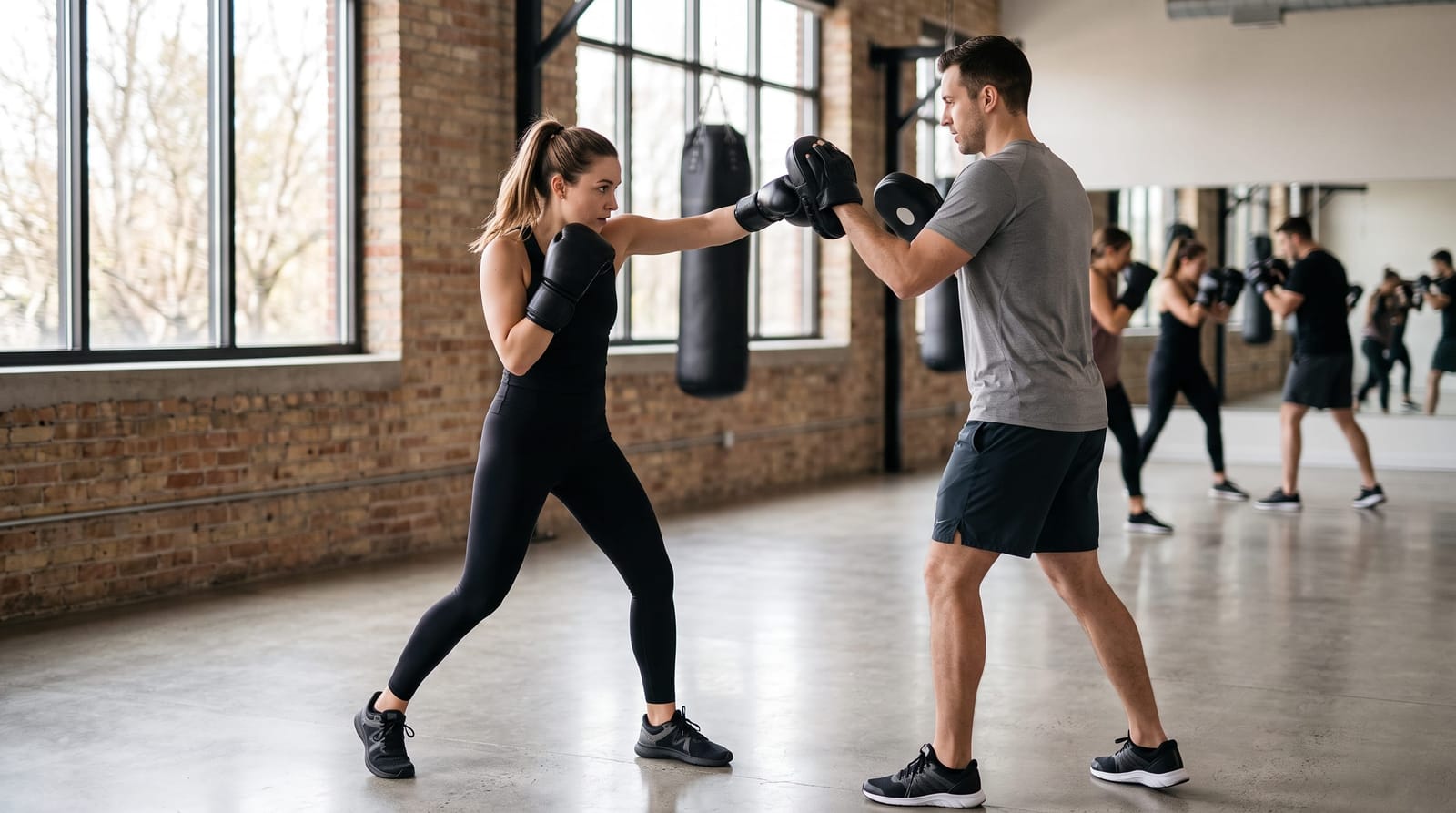
Combining Personal Training and Group Fitness Classes: The Ultimate Fitness Approach
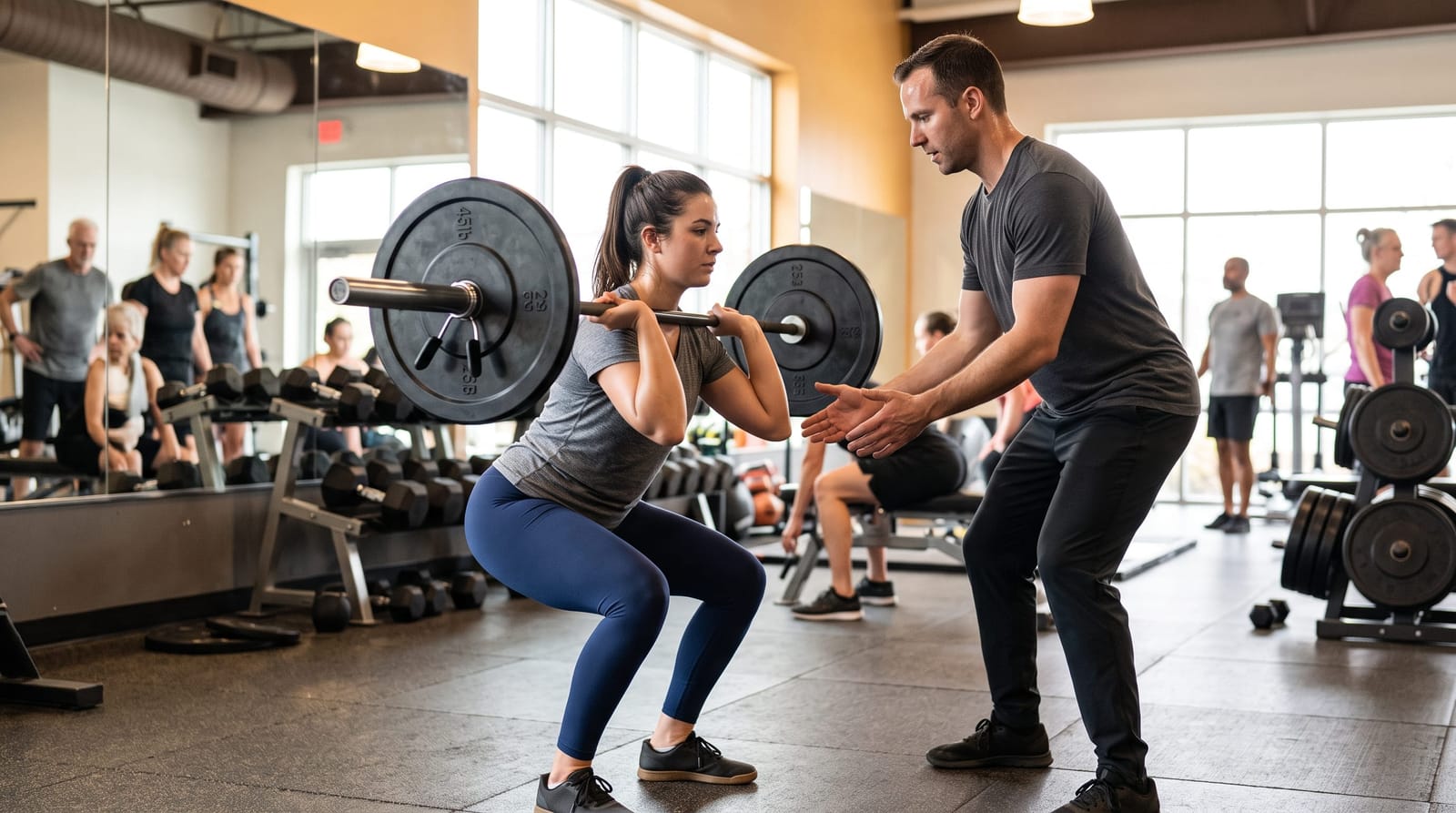
Combining personal training and group fitness classes gives each part of your routine a different job: one-on-one sessions provide space for individual instruction, while classes offer shared structure and the energy of training alongside others. The combination makes sense when those two formats support the same priorities, not when they simply fill every available slot on your calendar.
That is the practical appeal of a hybrid gym: different training options in one place, with less work involved in connecting them. But access alone is not enough. A useful combination needs clear goals, communication between you and your coaches, and a schedule you can realistically maintain.
This guide explains how to divide the work between personal training and classes, evaluate the gym experience, and review whether your plan fits. For anyone exploring Survive 41 in Mount Vernon, it also outlines the questions that can help clarify how available coaching and class options work together.
What Each Training Format Brings to the Plan
Personal training gives individual questions room
In a group class, the instructor has to manage the session for everyone. Personal training creates dedicated time to discuss your priorities, break down unfamiliar movements, and ask questions without following the class clock.
That time can have a specific purpose. You might want help understanding a strength exercise, learning boxing fundamentals, or choosing which classes match your current experience. The value is not simply having someone watch you work. It is getting instruction that connects to what you want to learn.
Group classes provide a shared routine
A class gives you a scheduled starting point, an instructor-led format, and other people taking part. For someone who dislikes deciding what to do every time they enter the gym, that structure may be appealing.
The social side matters differently to different people. Some enjoy a lively room and familiar faces. Others prefer quiet, individual attention. Neither preference is a weakness, and a combined plan does not require you to love every type of session equally.
In its comparison of personal training and group fitness, HOT FIT NYC describes using personal training for technique and goal setting alongside classes for conditioning and motivation. That is a useful example of dividing responsibilities between formats, not proof that combining them guarantees better results.
The combination needs a connection
One-on-one coaching and classes can become two unrelated routines unless there is a deliberate link. A stronger arrangement gives you something to take from coaching into class, then brings your class questions back into coaching.
If you are still deciding whether both formats belong in your routine, our guide to personal training vs. group classes explores that choice in more detail.
Start With One Priority, Not Every Available Option
“Get more out of the gym” is understandable, but it does not tell a coach what needs attention. A more useful starting point identifies the obstacle between you and a repeatable routine.
- Unfamiliarity: “I want to understand the movements before joining a faster-moving class.”
- Inconsistency: “I keep leaving workouts undecided until the end of the day.”
- Unclear direction: “I enjoy classes, but I do not know what to focus on.”
- Limited engagement: “I train alone, but I would like more connection with other people.”
These starting points suggest different uses for personal training. Someone learning the basics may value detailed instruction. An experienced class participant may want a focused review of recurring questions. Someone seeking community may prefer classes as the main routine, with individual coaching playing a supporting role.
The best combination is not necessarily an equal split. It is the arrangement in which each format solves a real problem.
Build a Schedule Around Roles, Not Volume
Choose the class experience you want to repeat
Begin by comparing class descriptions, timing, and format. Is the session focused on boxing instruction, timed intervals, strength work, or a mixture? Does it welcome people unfamiliar with the movements? How does the instructor explain alternatives?
Training labels alone do not answer those questions. Two classes with similar names can have different expectations, pacing, and teaching styles. A current timetable and a conversation with the gym are more useful than assuming what a session includes.
Give personal training a defined assignment
Once the class role is clear, identify what individual coaching adds. Possible assignments include reviewing movements that appear in class, explaining unfamiliar terminology, or helping organize competing training interests.
This keeps a personal-training session from becoming an extra workout without a clear purpose. It also makes it easier to judge whether the session was useful: did it answer the question you brought in?
Account for the whole routine
Boxing, HIIT, and strength sessions can differ in format while still asking a lot of the same person. A varied timetable is not automatically a balanced one. Sharing your complete activity schedule with your coach gives the planning conversation more context than discussing each session separately.
For a closer look at the relationship between training types, explore our guide to combining boxing, HIIT, and strength training in a hybrid workout. Here, the key decision is how your coaching and classes fit together, rather than how many different formats you can collect.
This guide is general educational information, not an individualized exercise or medical plan. A licensed healthcare professional can address health concerns, injuries, or exercise restrictions specific to your situation.
Three Hypothetical Ways to Combine Coaching and Classes
The examples below illustrate planning approaches. They are not Survive 41 program descriptions or recommended training frequencies.
The beginner: learn, then participate
A new member likes the idea of boxing classes but does not understand the terminology. Their individual coaching focuses on introductory skills and what to expect in a group setting. Classes then provide opportunities to follow instruction alongside others.
The useful connection is feedback: the member brings confusing cues or unfamiliar drills from class into the next coaching conversation. There is no expectation that a beginner arrives already skilled or fit.
The regular class participant: turn questions into a focus
A member enjoys group sessions but repeatedly feels unsure about one movement. Rather than adding unrelated training, they use personal coaching to examine that question in more detail.
The next class becomes a chance to pay attention to an agreed cue, within the instructor’s directions. Progress here means clearer understanding, not automatically lifting more, moving faster, or working harder.
The independent exerciser: add shared structure
Someone comfortable training alone wants a more social routine. They retain individual coaching for planning and feedback while making a preferred class their regular community touchpoint.
The tradeoff is flexibility. Classes run at set times, so this arrangement works best when the class schedule fits the person’s real calendar rather than an ideal version of it.
Make Communication Part of the Training Experience
Being under one roof does not necessarily mean every instructor knows what happened in your last session. A connected experience depends on clear communication, whether the coaches coordinate directly or you carry relevant information between sessions.
A brief note can keep that exchange practical:
- Current focus: What am I trying to understand or practice?
- Useful cue: What explanation helped me?
- Open question: What still feels unclear in class?
- Schedule context: What else is part of my training routine?
Ask how the gym handles that connection. Can a personal trainer explain which class formats relate to your priorities? Is there time to ask the class instructor a question before the session? How are relevant preferences or limitations communicated, with your permission?
Personal coaching can inform your class experience, but it does not replace the class instructor’s directions. If instructions seem different, asking for clarification is more useful than trying to reconcile them while the session moves on.
Look for Community Without Pressure
A motivating room does not need to be intimidating. Useful signs include clear explanations, respectful feedback, and an atmosphere where newcomers can ask questions without being dismissed.
Discipline and welcome belong together. Arriving on time helps you hear the opening instructions and respects the group’s schedule. Giving an honest effort matters. So does speaking up when something is unclear; asking for help is participation, not complaining.
The community factor is worth evaluating beyond the workout itself. Notice whether people make room for new participants, whether the instructor learns what you need explained, and whether encouragement stays respectful rather than competitive at everyone’s expense.
Our closer look at Survive 41’s gym environment and community factor explores this part of the training experience. For your own decision, the question is straightforward: does this feel like a place where you can keep showing up and learning?
What to Ask Survive 41 Before Building Your Combination
To understand how personal training and classes could fit together at Survive 41, start with current program information rather than assuming a particular package or coordination process exists.
- Which personal-training options and group classes are currently offered?
- How are newcomers introduced to class formats and expectations?
- Can individual coaching focus on skills used in a particular class?
- How do coaches communicate about a member’s training priorities?
- What equipment, arrival procedures, and booking policies apply?
- Are coaching sessions and classes booked separately or through a combined option?
Clear answers help distinguish a gym that offers several activities from an experience that connects those activities in a useful way. They also let you compare convenience, instruction, and community without relying on promises about outcomes.
Review Whether the Combination Is Doing Its Job
A workable routine deserves occasional review. Look beyond how challenging a session felt and consider whether the arrangement is resolving your original obstacle.
- Are coaching sessions answering specific questions?
- Can you identify something from coaching that helps you follow class instruction?
- Does the timetable fit ordinary weeks, not just unusually quiet ones?
- Do you feel comfortable asking for clarification?
- Does each format still have a purpose?
If the answer is unclear, the next step may be a planning conversation rather than another session. A simpler arrangement can be more useful than a crowded one.
Build a Routine With Purpose
Combining personal training and group fitness classes is about connecting individual attention with shared effort. Give coaching a clear assignment, choose classes you want to attend, and keep the conversation between them active. Yesterday does not define today; a missed session does not erase the opportunity to return with a workable plan.
Ready to explore the fit? Ask Survive 41 about current personal-training and group-class options, and how they can support a connected training experience.