Can Boxing Help With Anxiety and Depression?
If you've been struggling with anxiety or depression, you've probably heard the advice to "just exercise more." But if you've ever stood in a gym feeling lost, that advice can feel hollow. Boxing for anxiety and depression is different. It's not just movement: it's a structured, full-body, mentally demanding practice that attacks the root causes of low mood and chronic stress in ways that a treadmill simply cannot. This guide breaks down exactly how boxing training works on your brain, your nervous system, and your sense of self, and why so many people in the Bronx, Yonkers, and Mount Vernon are using it to reclaim their mental health.
The Science Behind Boxing for Anxiety and Depression
Let's start with what's actually happening in your brain when you train. A 2022 scoping review published in the American Journal of Lifestyle Medicine examined 16 studies on boxing as a mental health intervention. The results were clear: non-contact boxing exercises produced measurable improvements in mood, anxiety levels, and depressive symptoms across multiple populations, including adults with clinical depression and people managing chronic stress.
Here's why boxing for anxiety and depression works at a neurological level:
- Endorphin and serotonin release: High-intensity exercise like boxing triggers a cascade of feel-good neurochemicals, including endorphins, serotonin, and dopamine: the same chemicals that antidepressants are designed to regulate.
- Cortisol reduction: Boxing burns through excess cortisol, the primary stress hormone. After a hard round on the heavy bag, your body's threat response literally down-regulates.
- Neuroplasticity: Regular aerobic exercise promotes the growth of new neurons in the hippocampus, a brain region that shrinks under chronic stress and depression. Boxing is cardio with cognitive demand layered on top, learning combinations, reading a partner, timing your breathing, which amplifies this effect.
The Mayo Clinic confirms that exercise is one of the most effective interventions for both anxiety and depression, comparable in many studies to medication for mild to moderate cases. Boxing, as a high-intensity, skill-based discipline, may offer more benefit than general exercise because it adds the psychological layers of focus, mastery, and challenge.
How Boxing Training Directly Targets the Symptoms of Anxiety
Anxiety lives in the body. It tightens your chest, raises your heart rate, shortens your breath, and keeps your muscles locked in a constant state of bracing for impact. Boxing for anxiety works in part because it gives your nervous system a legitimate physical outlet for all of that stored tension.
When you step into a boxing class and throw your first combination, your body stops simulating threat and starts responding to one: a real, productive, controlled one. That shift is powerful. Here's what happens step by step:
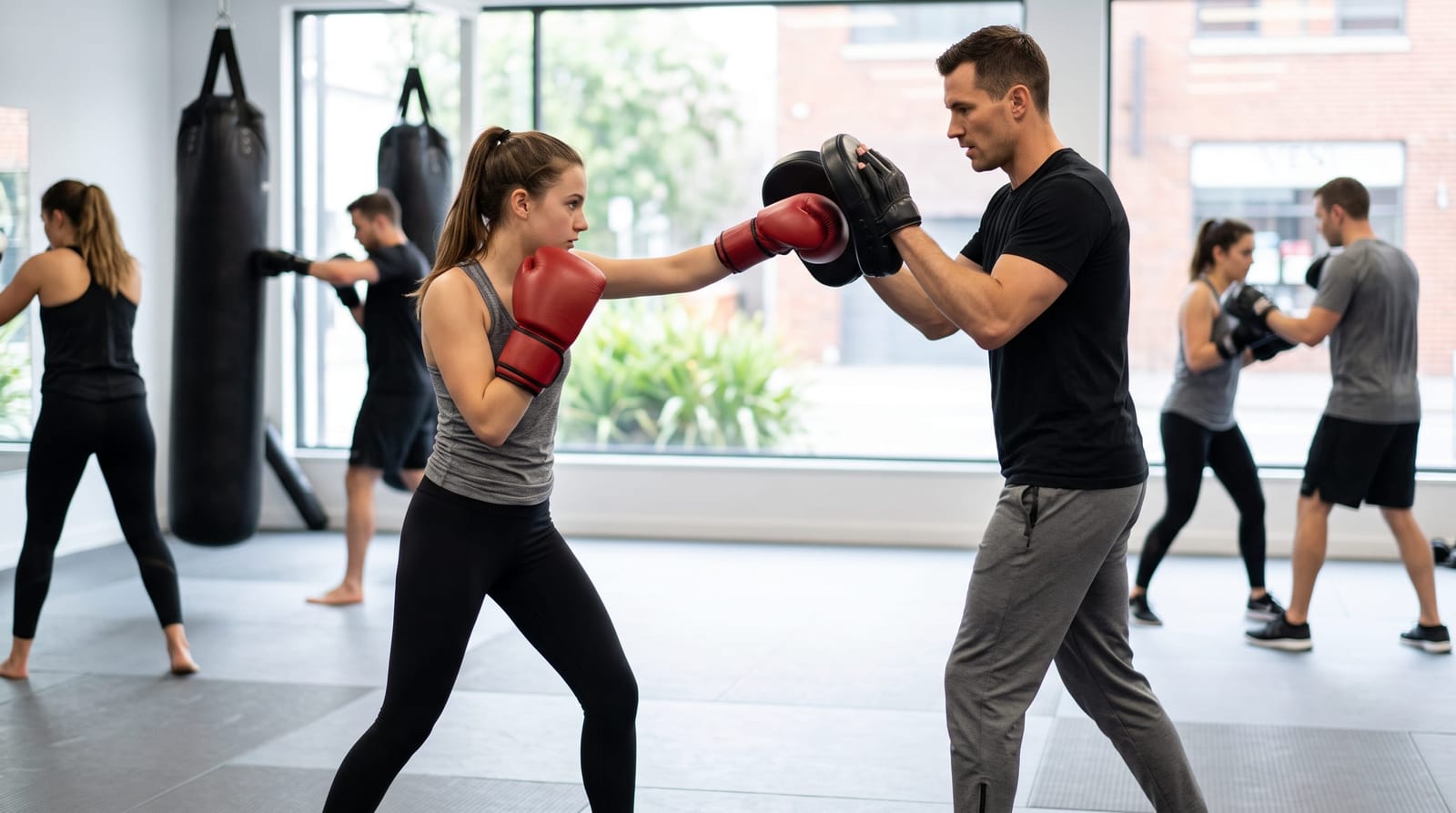
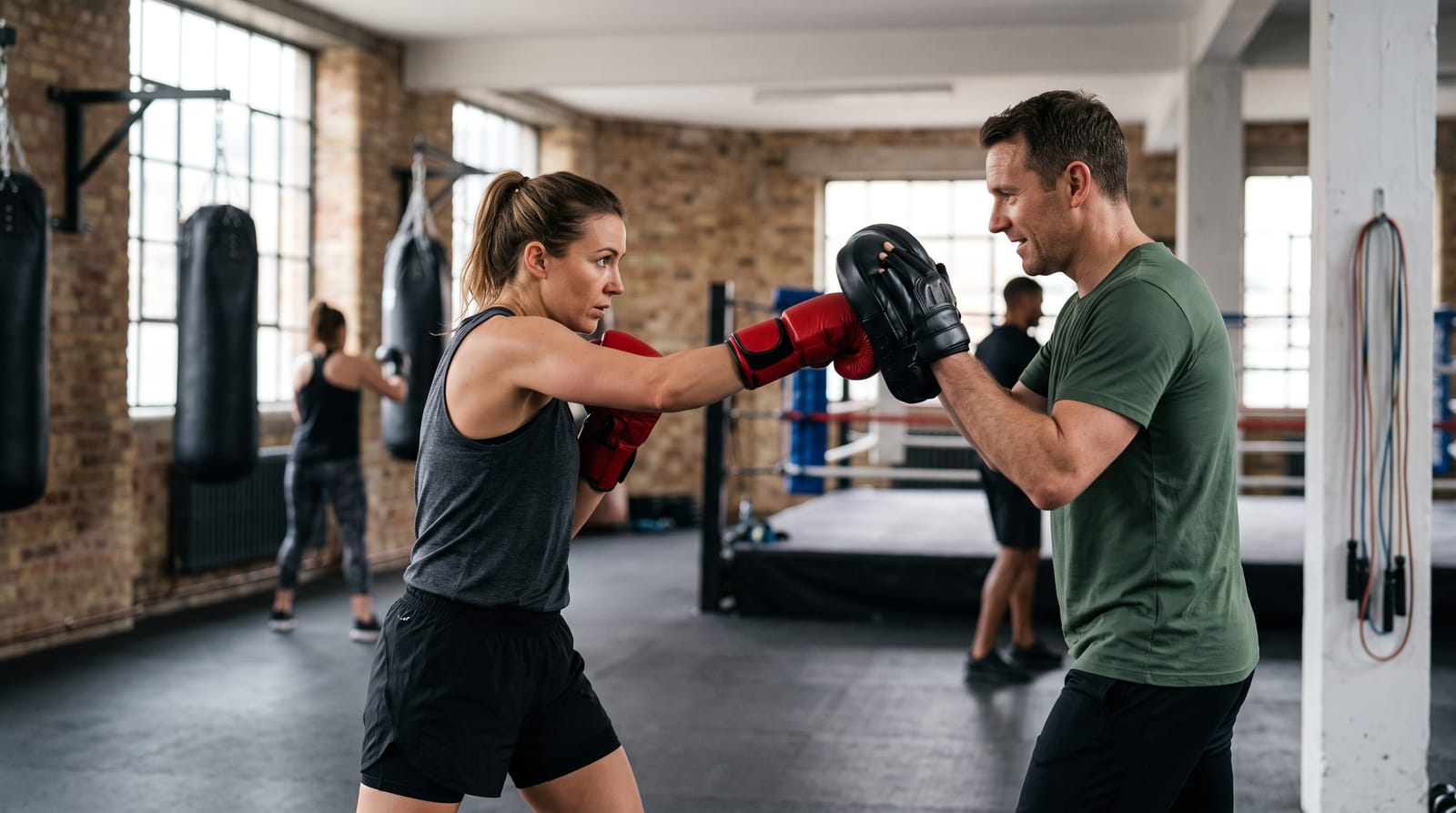
- Your attention narrows: You cannot spiral into anxious thoughts when a pad holder is calling combinations at you. Boxing demands presence. It is, by design, a moving meditation.
- Your breathing regulates: Coaches at Survive 41 cue breath constantly. Learning to exhale sharply on every punch and control your breathing between rounds teaches your nervous system a new default: one that is calm and controlled rather than shallow and reactive.
- Your body discharges tension: Every punch thrown on the heavy bag releases muscular tension that anxiety stores in your jaw, your shoulders, and your core. You finish a session lighter than you started, not just physically.
For people dealing with generalized anxiety or panic disorder, this pattern of intense physical exertion followed by active recovery trains the body to move through stress cycles rather than getting stuck in them.
Boxing and Depression: Why Structure and Challenge Matter
Depression often strips away the sense that your actions matter: that effort leads to results, that you are capable of growth. One of the most powerful antidepressant effects of boxing for anxiety and depression isn't chemical. It's psychological. Boxing builds what researchers call self-efficacy: the belief that you can do hard things.
The first time you land a clean jab-cross-hook combination, something shifts. You worked for that. You drilled it, you failed, you adjusted, and you got it. That experience of earned competence is deeply therapeutic for a depressed brain that has forgotten what capability feels like.
At Survive 41, training is structured around progressive challenge. You don't walk in and immediately spar. You build. You learn your stance. You develop your jab. You add footwork. Each milestone is real and measurable, and the sense of progress compounds week over week. This mirrors the kind of structured behavioral activation that cognitive behavioral therapists prescribe for depression: except boxing makes it physical, social, and genuinely engaging rather than clinical.
It's no coincidence that many of the same principles covered in how boxing training builds unshakeable self-confidence map directly onto what clinical psychology identifies as core antidepressant behaviors: mastery experiences, social connection, and physical activation.
The Role of Community in Mental Wellness at the Gym
One of the most underestimated factors in boxing for anxiety and depression is the community. Isolation is both a symptom and a driver of depression. Walking into a boxing gym, especially one built around a mission like Survive 41's, breaks that isolation immediately.
You are training alongside people who showed up. People who are also fighting something. That shared struggle creates a bond that is hard to replicate in other fitness environments. The coach knows your name. Your training partner celebrates when you land a clean shot. The culture rewards effort, not just performance.
Research consistently shows that social connection is one of the strongest predictors of mental health resilience. Group boxing classes provide structure, accountability, and belonging: three things that depression actively erodes and that community training actively restores.
For residents of Yonkers, Mount Vernon, the Bronx, New Rochelle, and Pelham, Survive 41 is built to be that community anchor. The gym isn't just a place to hit bags. It's a place to belong.
How to Start Using Boxing for Anxiety and Depression: A Practical First Step
If you're dealing with anxiety or depression and considering boxing, here is what to expect when you start:
- Show up as you are. You don't need to be fit, coordinated, or confident. Beginners are welcomed and coached from the ground up at Survive 41.
- Commit to three sessions. The first class will feel awkward. By the third, you will begin to feel the difference, in your mood, your sleep, and your stress levels.
- Tell your coach what you're there for. Good boxing coaches are not therapists, but they understand the mental side of the sport. Knowing you're working through something helps them coach you effectively.
- Track your mood, not just your fitness. Keep a simple journal. Note how you feel before and after each session. Most people are surprised by how consistent the post-training mood lift becomes.
- Use boxing as a complement, not a replacement. If you're managing clinical depression or anxiety with professional support, boxing works beautifully alongside therapy and medication, not instead of it.
Frequently Asked Questions About Boxing for Anxiety and Depression
How quickly does boxing improve mood and anxiety symptoms?
Many people notice an improvement in mood within the first session due to the endorphin and serotonin release triggered by high-intensity exercise. More sustained improvements in anxiety and depression symptoms typically develop over four to six weeks of consistent training, two to three times per week. The neurological and psychological benefits, including improved self-efficacy and reduced cortisol levels, build progressively over time.
Is boxing safe for someone with severe anxiety or panic disorder?
Boxing for anxiety, including more severe presentations, is generally safe and can be beneficial when practiced in a non-contact, structured class environment. The breathing techniques, physical exertion, and focus required can actually help recalibrate a hyperactive nervous system over time. However, anyone managing severe anxiety or a diagnosed panic disorder should consult their doctor or mental health provider before beginning any new high-intensity exercise program.
Do I need to spar to get the mental health benefits of boxing?
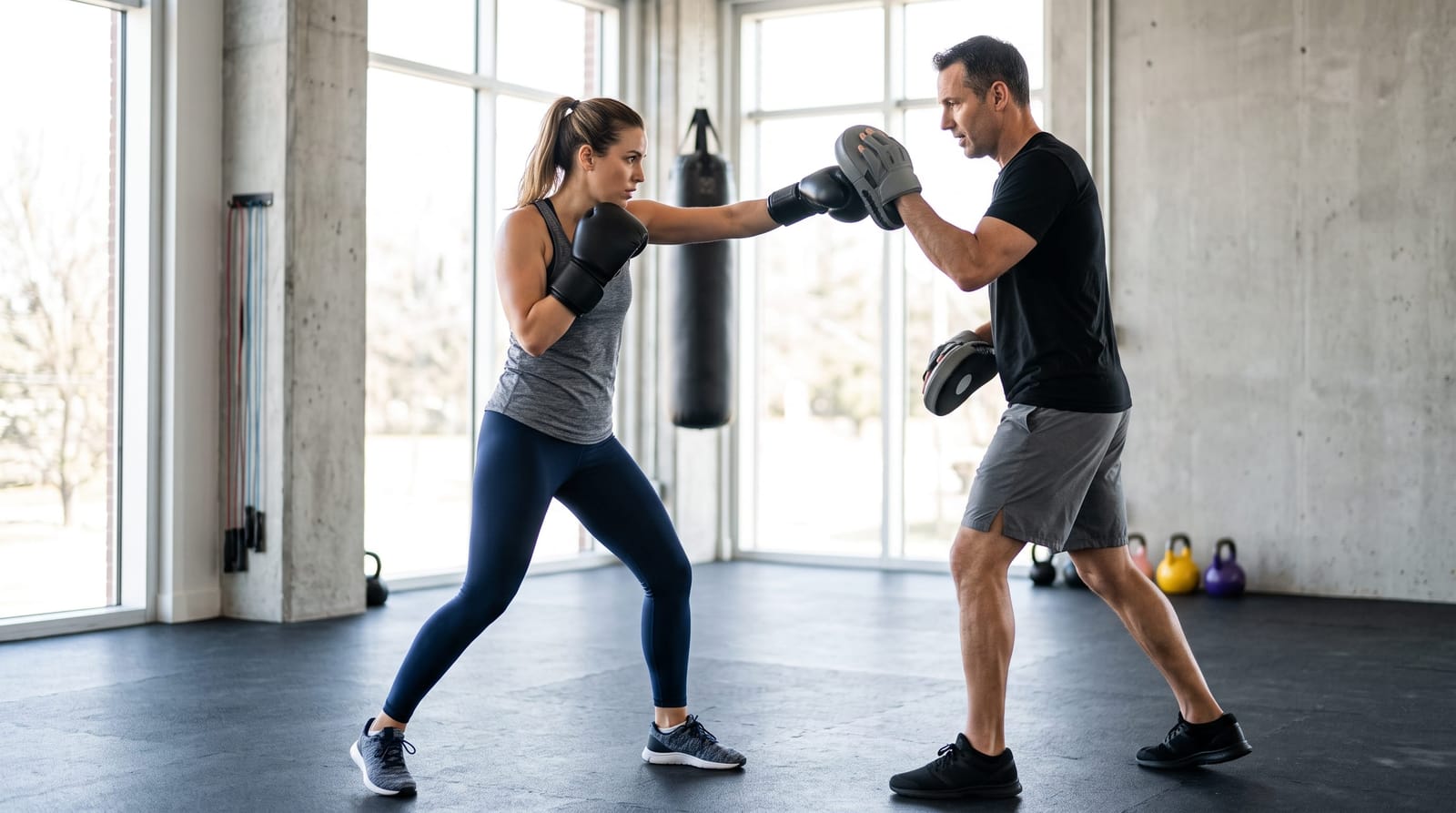
No. The 2022 review in the American Journal of Lifestyle Medicine specifically highlighted non-contact boxing as effective for mental health outcomes. Bag work, pad work, shadowboxing, and conditioning drills all produce significant mood and anxiety benefits without any requirement for sparring. At Survive 41, beginners build their skills safely and at their own pace: sparring is never required.
Can boxing replace therapy or medication for depression?
Boxing for anxiety and depression is a powerful complementary tool but should not be used as a replacement for professional mental health treatment without guidance from a qualified provider. Exercise, including boxing, has demonstrated antidepressant effects in clinical research, but for moderate to severe depression or anxiety disorders, the best outcomes typically come from combining physical activity with appropriate therapeutic or medical support.
Final Thoughts: Boxing for Anxiety and Depression Is More Than Exercise
Using boxing for anxiety and depression is not about becoming a fighter. It's about using one of the most demanding physical disciplines in the world to teach your brain and body that you can handle hard things. The science supports it. The community reinforces it. And the results, reduced anxiety, lifted mood, rebuilt confidence, are ones that people in this area experience every week at Survive 41. If you're struggling mentally and looking for a place to start, a boxing class might be the most productive step you take this year.