How to Choose the Right Boxing Gym in Yonkers, Mount Vernon, or The Bronx
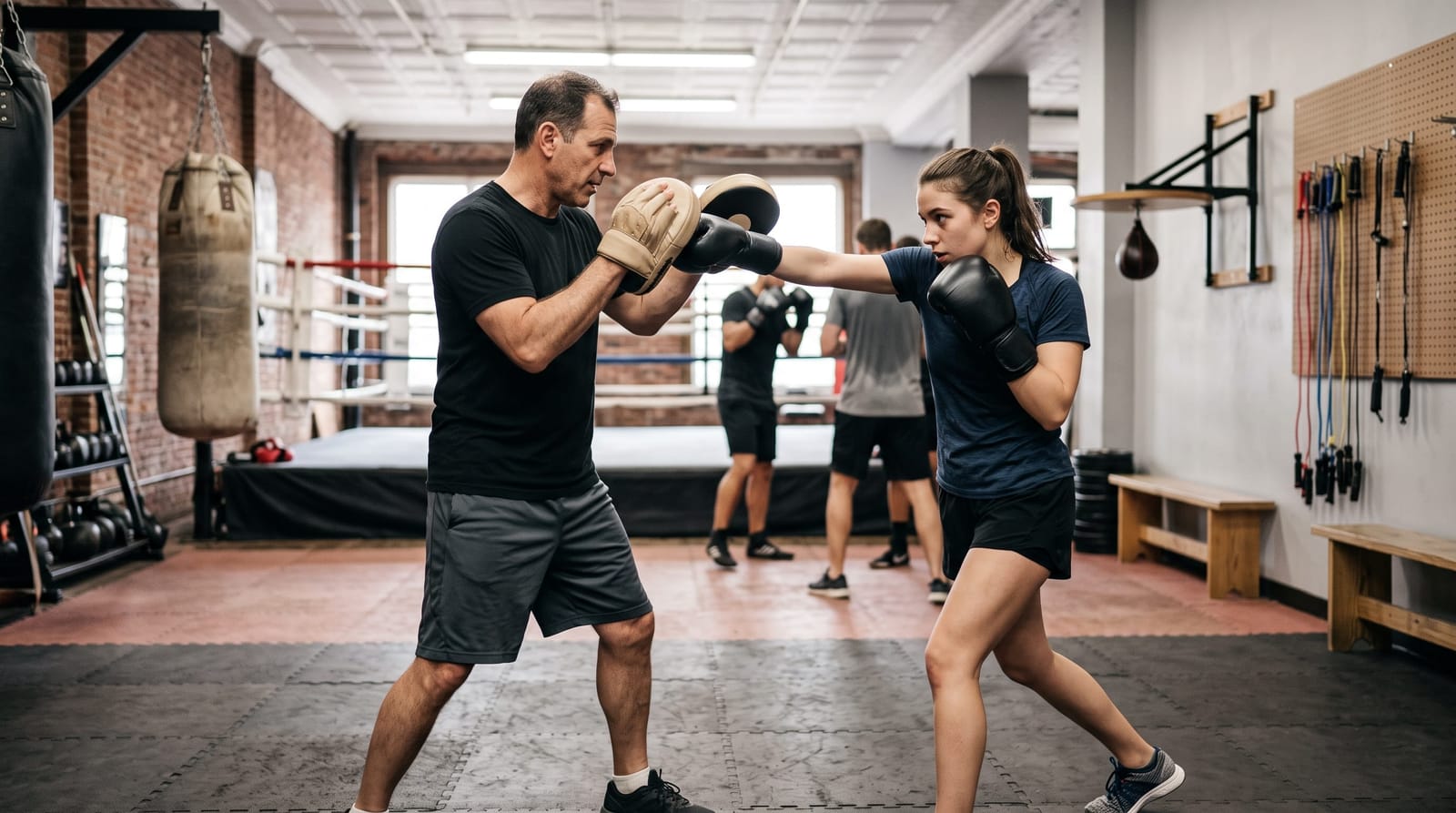
Finding the right boxing gym is one of the most consequential fitness decisions you'll make. Whether you're flipping through search results for a boxing gym in Yonkers, scouting options in Mount Vernon, or looking for something close to the Bronx, the sheer number of choices can feel overwhelming. And not every gym that hangs a heavy bag and calls itself a boxing club is actually equipped to transform your fitness, your mindset, or your life.
As part of our complete guide to boxing classes in Yonkers, Mount Vernon, and The Bronx, this post gives you a practical, no-fluff checklist for evaluating any boxing gym in your area, and the specific questions to ask before you ever lace up your gloves. If you're serious about results, these eight tips will help you cut through the noise and find a gym that actually delivers.
1. Evaluate Coaching Quality Before Anything Else
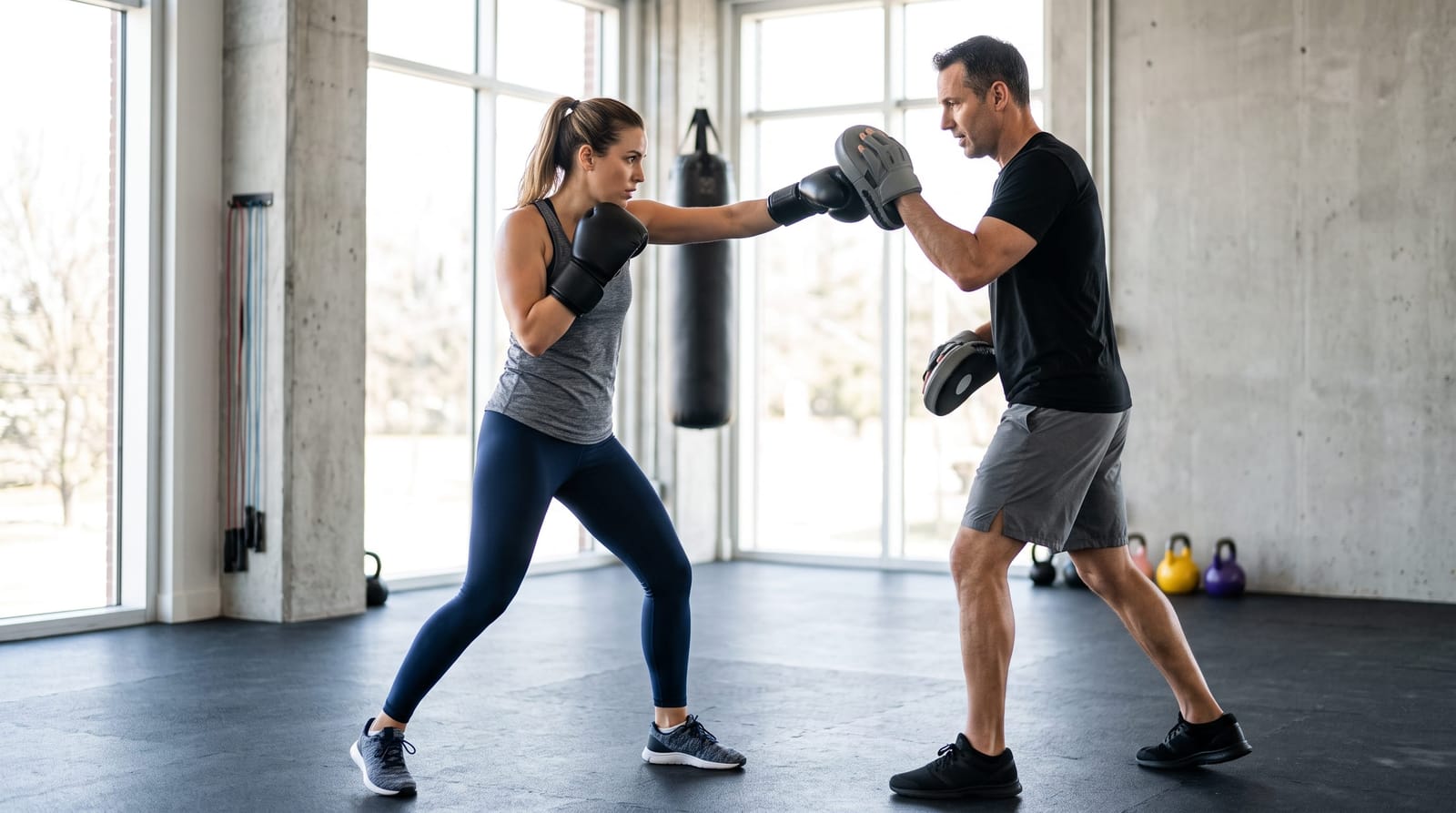
A heavy bag doesn't teach you anything. A great coach does. Coaching quality is the single most important factor in determining whether your time at a boxing gym produces real results, or just leaves you exhausted and confused.
What to Look For in a Boxing Coach
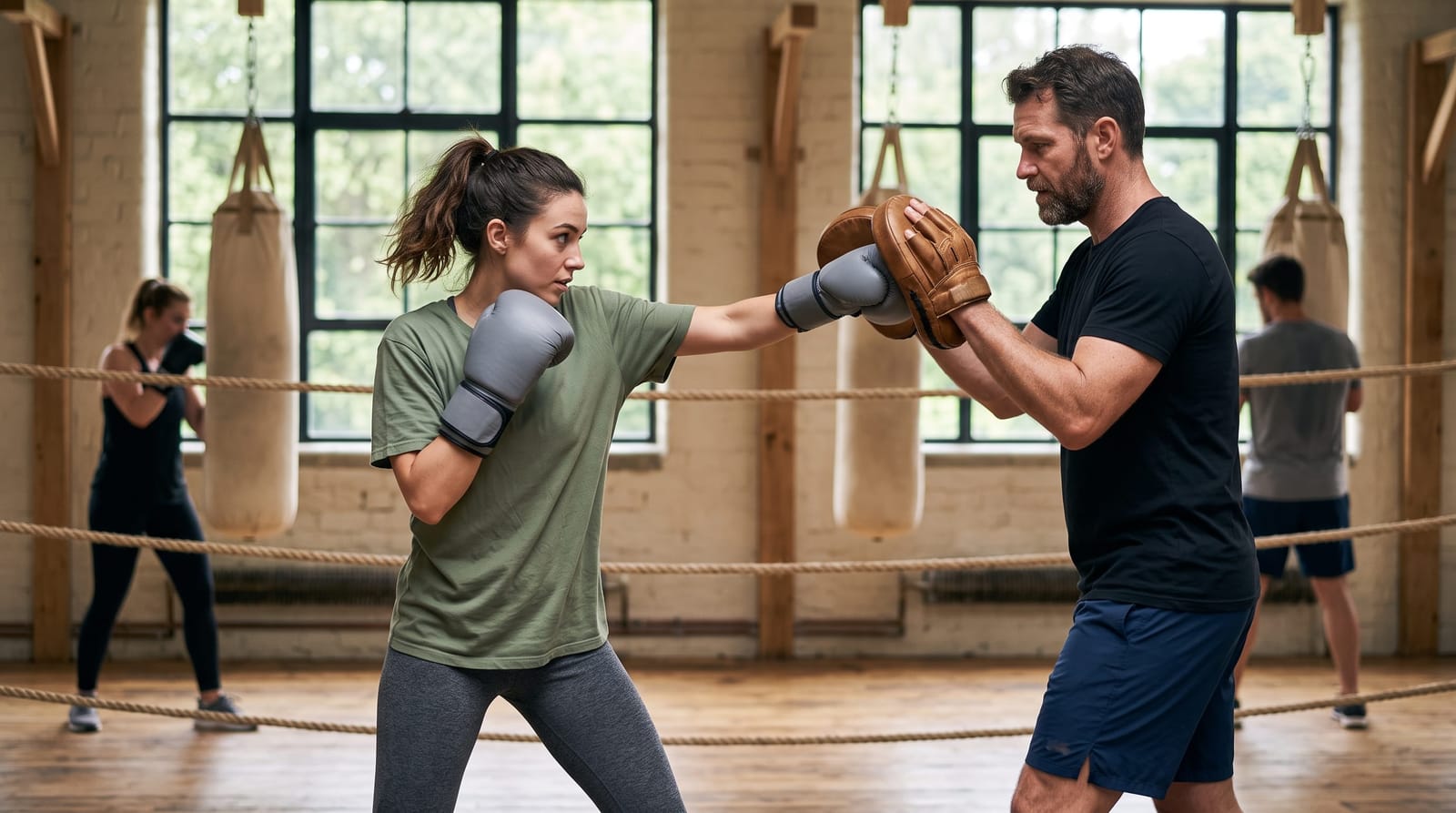
When you visit a gym, don't just watch the equipment: watch the coaches. Are they actively correcting form? Do they explain the why behind combinations, footwork, and defensive positioning? Are they paying attention to individual athletes, or are they standing in the corner scrolling their phone?
Look for coaches with verifiable credentials. USA Boxing certification is one standard benchmark. Beyond certifications, experience matters: coaches who have trained competitive fighters, worked across skill levels, and adapted their methods to beginners and advanced students alike are worth far more than someone who simply "used to box."
Red Flags to Watch For
- Coaches who only focus on the most advanced athletes in the room
- No structured curriculum: every class feels improvised
- No feedback on technique during your first session
- Overcrowded coaching ratios (more than 15-20 students per coach for a fundamentals class is too many)
At Survive 41, certified coaches work across every class level, from day-one beginners to athletes training for competition. That consistency in coaching quality is something you should demand from any gym you consider.
2. Check Class Size and Training Structure
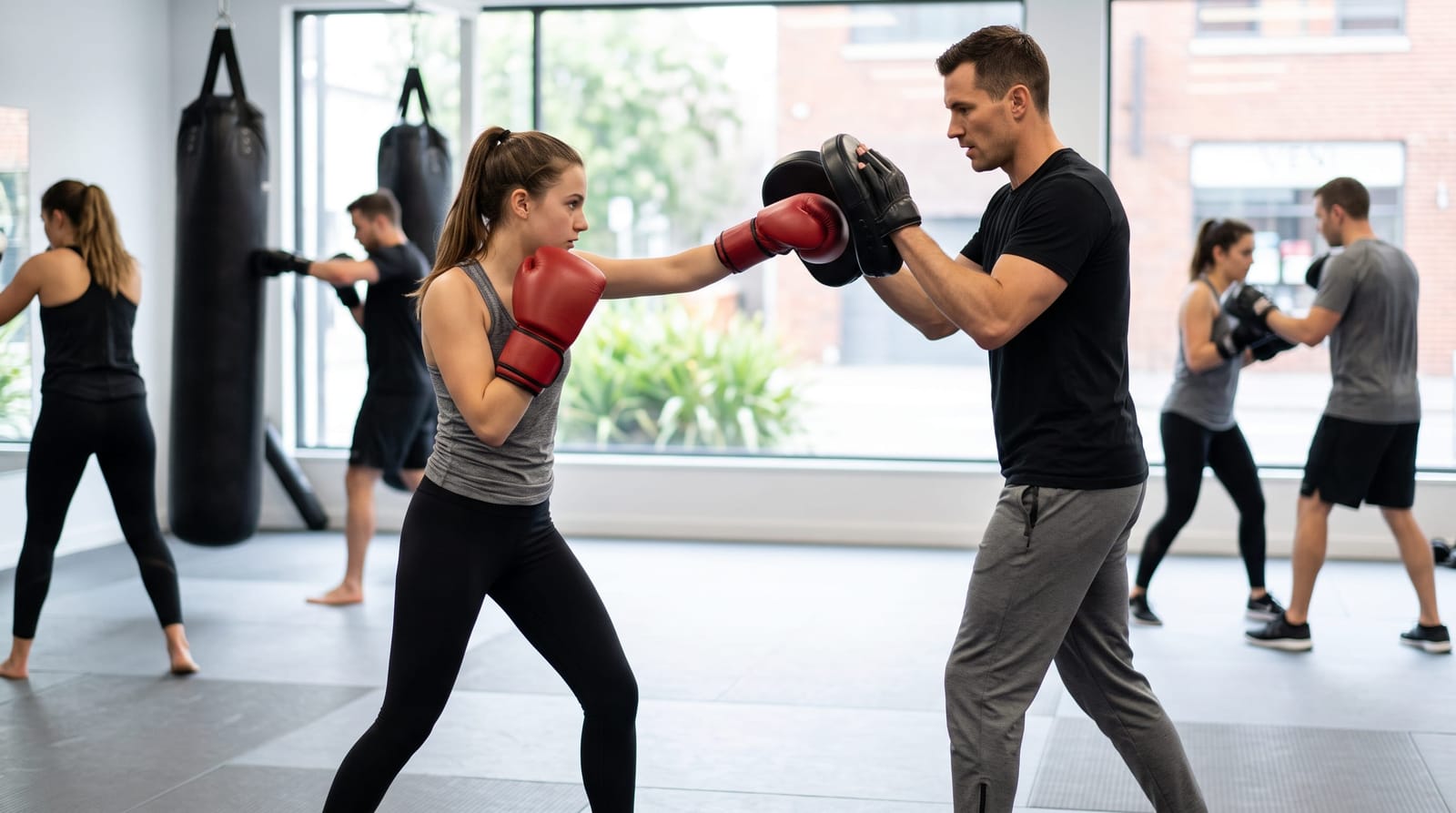
Here's a stat worth knowing: according to fitness industry research, participants in smaller group training classes (under 15 people) report significantly higher satisfaction rates and faster skill development than those in large, warehouse-style group classes. When it comes to boxing, a technical sport where form directly impacts both effectiveness and injury prevention, class size isn't a minor detail. It's a major one.
What Good Class Structure Looks Like
A well-structured boxing class isn't just a cardio circuit with boxing gloves on. It should include:
- A dynamic warm-up that primes your shoulders, hips, and core
- Technical drilling: footwork patterns, individual punch mechanics, defensive movement
- Combination work (bag rounds, partner drills, or mitt work)
- Conditioning finishers that reinforce boxing-specific fitness
- A cooldown with time for form feedback
If a gym's classes feel like a spin class with gloves, all intensity and no instruction, you're paying for sweat, not skill. And if the class size means your coach hasn't looked at you once in 45 minutes, that's a problem.
Beginner vs. All-Levels Classes
Ask specifically whether the gym separates beginner classes from all-levels or advanced sessions. Throwing a first-timer into a room full of experienced fighters with no modification or support isn't "sink or swim": it's just bad programming. The best boxing gyms in Yonkers and the surrounding area offer genuine on-ramps for beginners that build confidence before complexity.
3. Assess the Community Culture
You can have the best equipment in Westchester County and still end up in a gym where you dread showing up. Culture matters: arguably as much as programming.
The Difference Between a Gym and a Community
Yonkers is the fourth-largest city in New York State, with a population of over 211,000 people according to the 2020 U.S. Census. That population is diverse, working-class, and deeply proud of its roots. The best boxing gym for Yonkers residents isn't just a place to train: it's a place where people from all walks of life feel welcomed, challenged, and supported.
When you visit a gym, pay attention to how existing members treat newcomers. Is there an unspoken hierarchy? Do people introduce themselves? Does the energy feel competitive in a healthy way, or cutthroat and unwelcoming?
Questions to Ask Current Members
- "How long have you been training here?"
- "What do you like most about the community?"
- "Do coaches remember your name and your goals?"
- "Would you recommend this gym to a friend who's never boxed before?"
Survive 41 was built around a tight-knit community philosophy: the idea that the person next to you in class is part of your support system, not your competition. That culture of mutual accountability is one of the biggest drivers of long-term consistency, and long-term consistency is what actually changes lives.
4. Inspect the Equipment and Facility
Equipment won't make you a better boxer, but deteriorating or poorly maintained equipment can absolutely slow your progress, and increase injury risk. Here's what to check when you walk into any boxing facility.
Essential Equipment Checklist
- Heavy bags: Are they in good condition, properly hung, and varied in weight/density? A quality gym has multiple bag weights for different training purposes.
- Speed bags and double-end bags: Important for timing and hand-eye coordination, often skipped in gyms that prioritize aesthetics over training outcomes.
- Flooring: Proper sprung or cushioned flooring reduces joint stress during footwork drills and partner work. Concrete under thin mats is a liability.
- Gloves and hand wraps: Does the gym offer loaner gear for new members? Sanitation standards for shared equipment matter: check if gloves are cleaned between uses.
- Ring access: Not every gym needs a full competition ring, but having one available for sparring and movement work signals the gym takes boxing seriously.
Cleanliness and Safety
Boxing gyms involve close contact, shared equipment, and significant sweat. A gym that doesn't prioritize cleanliness isn't just unpleasant: it's a genuine health concern. On your visit, check the bathrooms, the mat surfaces, and the condition of the bags. How a gym maintains its facility reflects how it maintains its standards overall.
5. Understand the Training Philosophy
Not all boxing gyms share the same goals. Some are built for competition: cultivating fighters who step into the ring. Others are built for fitness and life transformation, using boxing as the vehicle. Many gyms try to serve both, but the best ones are honest about which they prioritize and how they serve each type of member.
Fitness-Focused vs. Competition-Focused
Studies on exercise adherence consistently show that people stick with training programs longer when the goals are intrinsically meaningful to them, not just externally imposed. A gym built on a fitness-and-transformation philosophy will program differently than a pure competition gym: more emphasis on functional conditioning, mental resilience, stress relief, and sustainable habit-building alongside boxing technique.
Survive 41's training philosophy connects directly to this: boxing isn't just about throwing punches. It's about building the kind of discipline, focus, and mental toughness that carries over into every part of your life. If that resonates with you, look for gyms that explicitly connect their training to those outcomes, not just weight loss metrics or fight records.
If you're curious about that deeper connection, boxing for mental health benefits explores exactly how consistent training builds resilience and discipline over time.
6. Look for Comprehensive Support Beyond the Bag
The best boxing gyms understand that what happens outside of class matters as much as what happens inside. Recovery, nutrition, and lifestyle support are what separate gyms that produce real transformation from those that just collect membership fees.
Recovery Support
Boxing is a demanding physical discipline. A gym that trains you hard without addressing recovery is setting you up for burnout or injury. Look for gyms that incorporate mobility work, cooldown protocols, and guidance on rest and recovery into their programming, not just as afterthoughts, but as integrated parts of the curriculum.
Nutrition Guidance
You don't need a gym to replace your doctor or dietitian, and any gym offering medical-grade nutrition prescriptions without licensed practitioners on staff should raise concerns. But a quality boxing gym should be able to connect you with resources, general frameworks for fueling your training, and professionals who can support your goals. Always consult a licensed nutrition professional for personalized dietary guidance specific to your health situation.
Community Accountability
Accountability structures, whether that's a training partner, a coach who notices when you miss a week, or a group that checks in on each other, dramatically improve long-term adherence. Research on habit formation suggests that social accountability can increase follow-through rates by as much as 65%. The right boxing gym builds this into its culture, not just its marketing.
7. Compare Pricing Transparently
Pricing matters, but it's rarely the most important factor in choosing a gym. What matters more is value: what do you actually get for what you pay?
What to Ask About Pricing
- Are there initiation fees, or is the first month straightforward?
- What does the membership include: unlimited classes, or a capped number per week?
- Is personal or semi-private coaching available, and what does it cost?
- Are there additional fees for equipment, testing, or events?
- What's the cancellation policy?
Be cautious of gyms with opaque pricing structures that only reveal costs after a high-pressure sales pitch. A gym that's confident in its value will tell you what things cost upfront.
8. Take Advantage of Trial Classes Before You Commit
Any reputable boxing gym in the Yonkers, Mount Vernon, or Bronx area should offer some form of trial class or intro session. This isn't just a marketing tactic: it's the right way to make a major commitment. No amount of online research replaces the experience of actually being in the room, working with the coaches, and feeling the culture firsthand.
Before you take your trial class, read up on first boxing class what to expect so you walk in prepared, not blindsided. And if you're weighing boxing against other workout formats, boxing workout classes benefits breaks down exactly why boxing tends to outperform other fitness approaches for people who want total-body results.
If you're also considering gyms in nearby communities, check out our breakdown of boxing gym Mount Vernon New Rochelle options to see how different gyms in the region compare on these same criteria.
Making Your Final Decision
Choosing a boxing gym isn't just a fitness decision: it's a commitment to a community, a coach, and a philosophy. The gym you pick will shape your habits, your discipline, and potentially your life trajectory. That's not hyperbole. That's what boxing does when the environment is right.
Use these eight criteria as your filter: coaching quality, class size and structure, community culture, equipment standards, training philosophy, holistic support, transparent pricing, and a genuine trial experience. Any gym worth your time and money will hold up to that scrutiny.
Survive 41 was built to meet every one of these standards, for Yonkers residents, Mount Vernon residents, and everyone across the Bronx and surrounding communities who's ready to do the work. Schedule your first class today and find out for yourself.