How Boxing Training Builds Unshakeable Self-Confidence
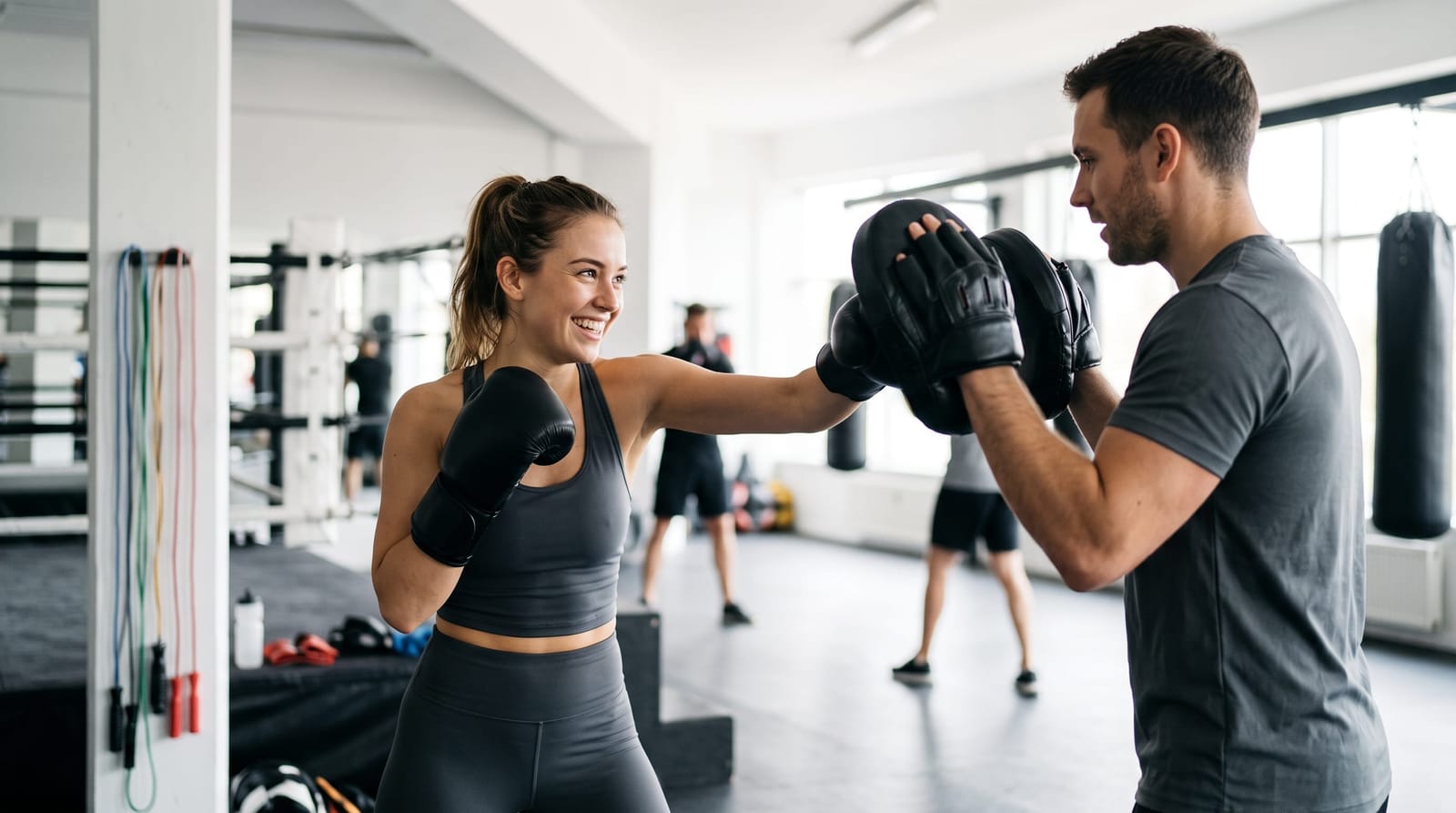
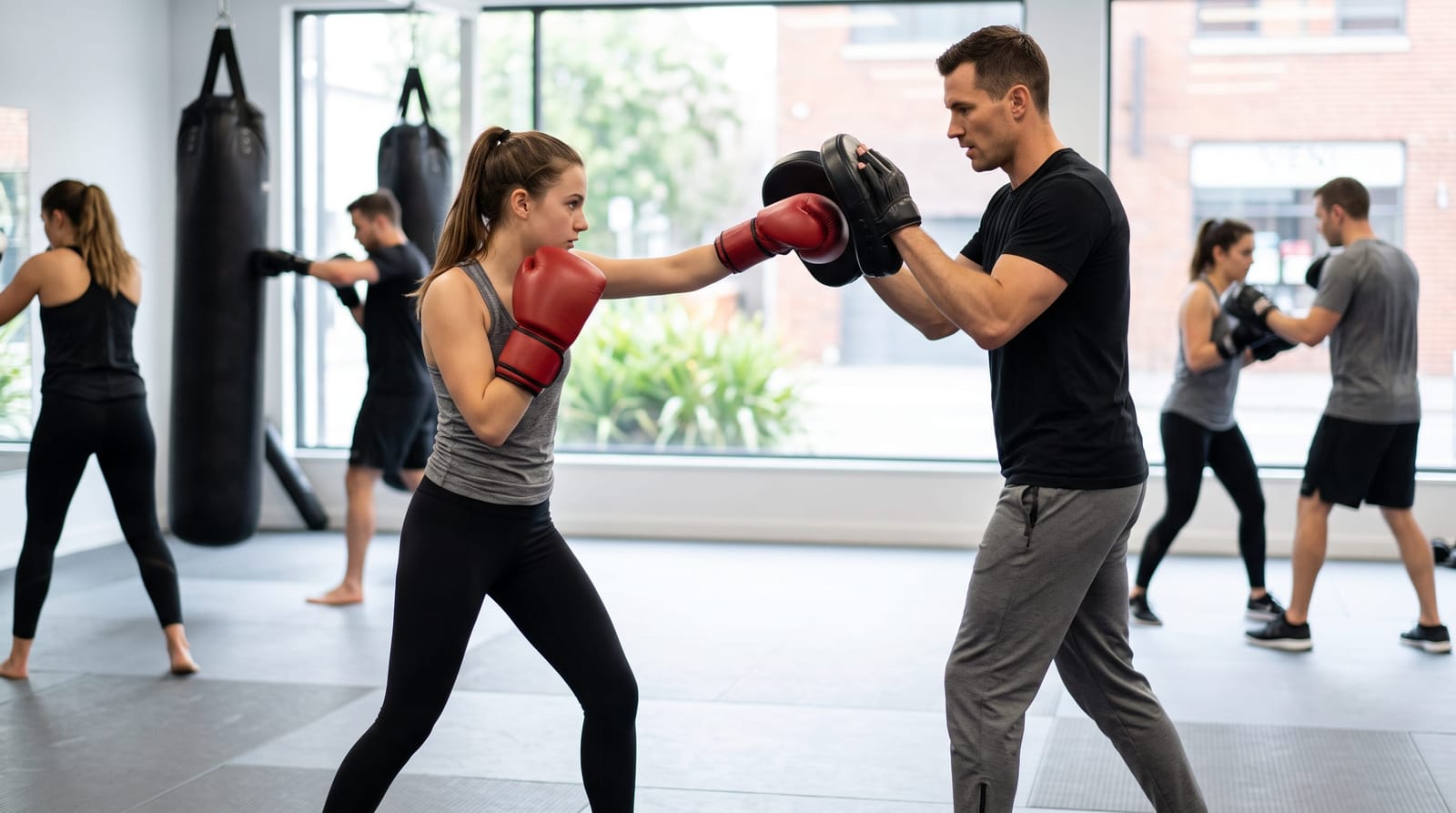
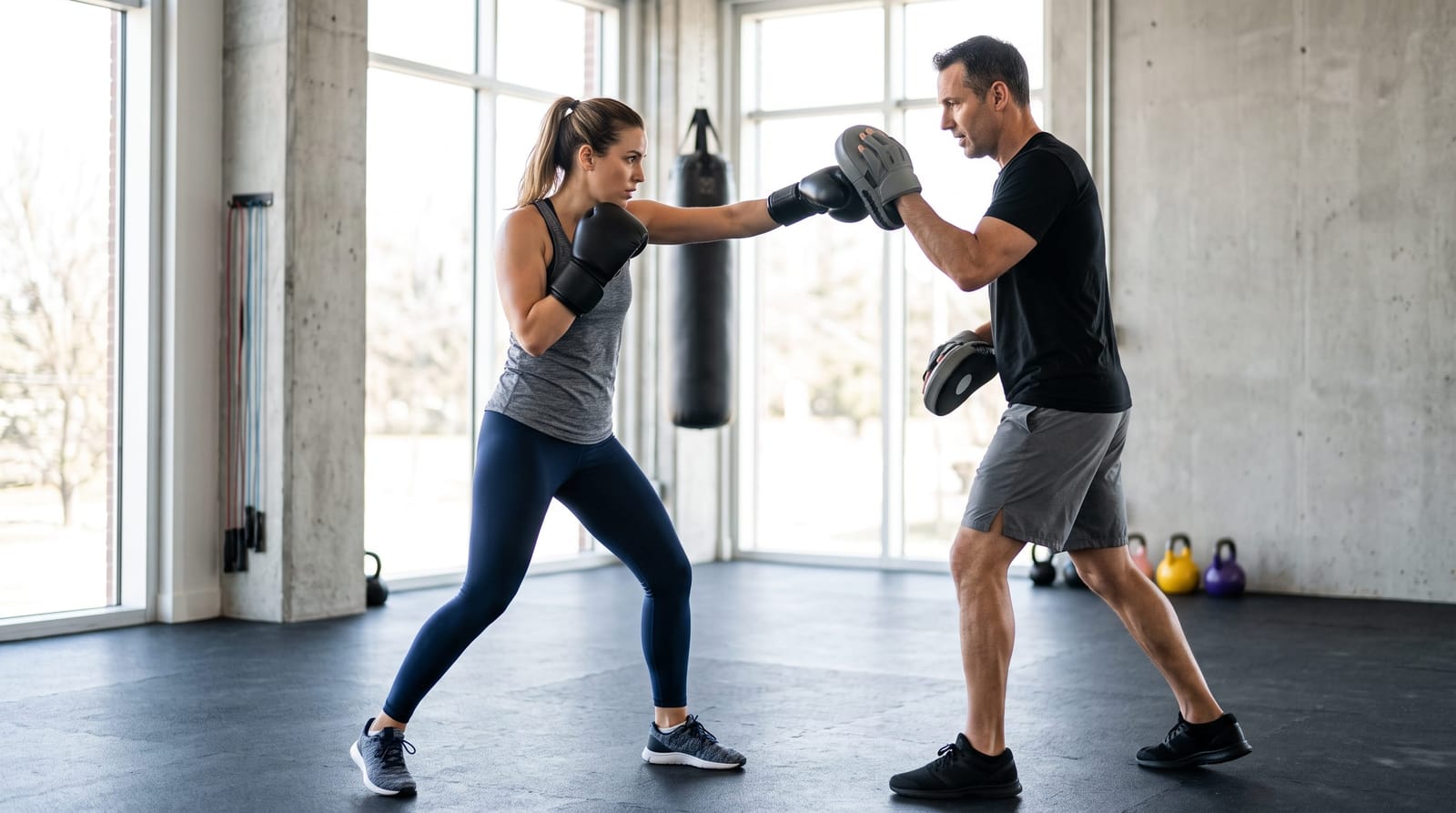
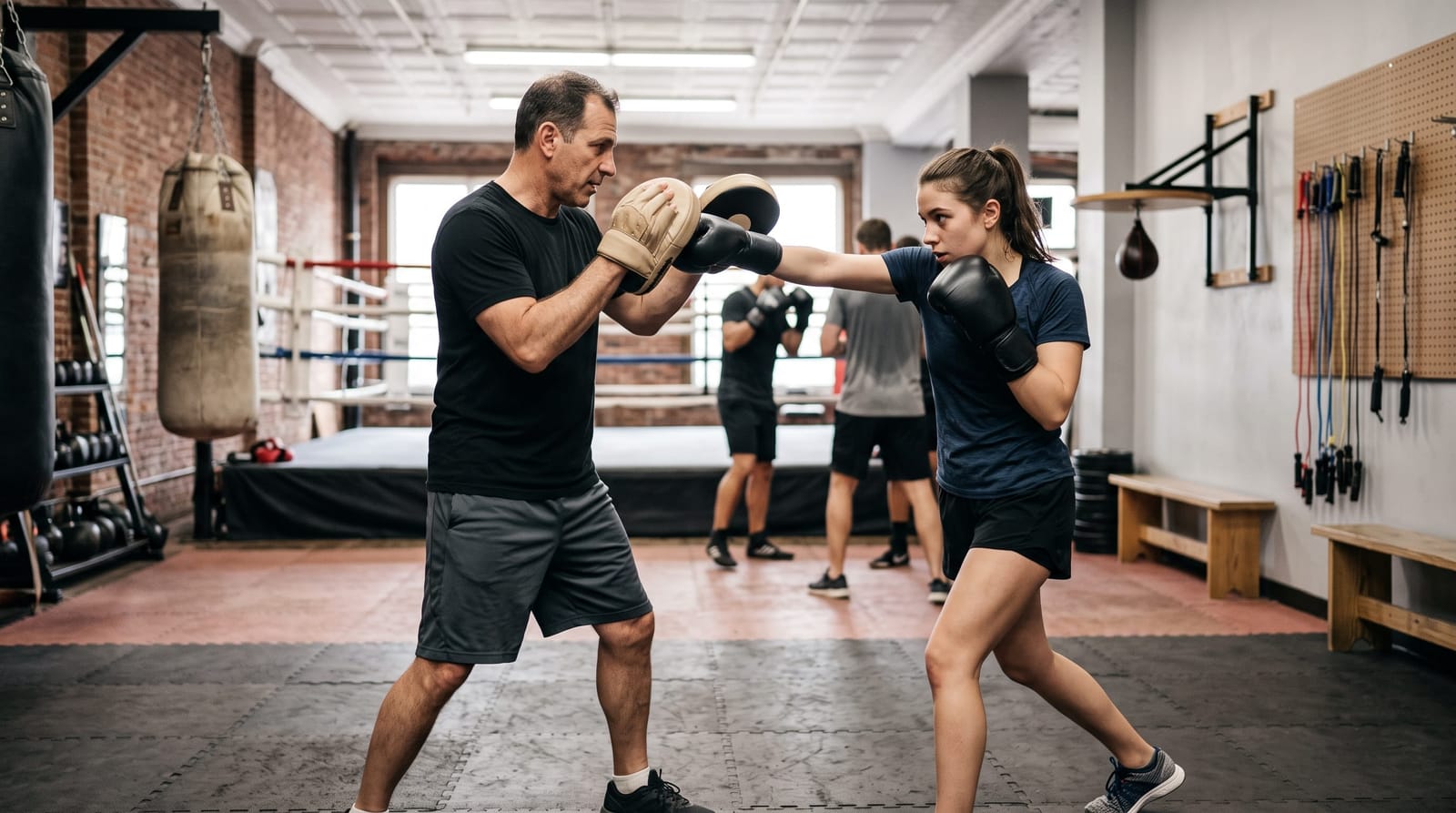
Most people who walk into a boxing gym for the first time aren't chasing a championship belt. They're chasing something harder to name: a feeling of capability, of strength, of knowing they can handle whatever life throws at them. The truth is, boxing builds self-confidence in ways that few other activities can match. It's not just about getting fit or learning to throw a punch. It's about proving to yourself, rep by rep and round by round, that you are capable of more than you thought. This guide breaks down exactly how that transformation happens.
The Science Behind Why Boxing Builds Self-Confidence
This isn't just gym talk: the connection between boxing and confidence is backed by real research. A study published in Frontiers in Psychology found that people who train in combat sports like boxing show measurably lower stress levels and significantly better emotional control compared to non-practitioners. Participants also displayed higher levels of self-efficacy, which is the psychological term for believing in your own ability to succeed.
Self-efficacy is important because it's the engine behind real confidence. It's not the surface-level "feel good" confidence that comes from a compliment or a good hair day. It's the deep, durable belief that you can face a challenge and figure it out. Boxing training builds this systematically because it puts you in uncomfortable situations, a fast combination you can't quite land, a sparring partner who's better than you, a three-minute round that feels like thirty, and asks you to stay present and keep working anyway.
Every time you do that, your brain files it away as evidence: I handled that. Over time, that mental file grows thick. That's unshakeable confidence.
How Mastering Combinations Creates a Competence Loop
One of the most powerful confidence-building mechanisms in boxing is the process of learning and mastering combinations. When you first walk into a gym, a simple jab-cross-hook feels like trying to rub your stomach and pat your head simultaneously. Your hands and feet aren't talking to each other. The timing feels impossible.
Then something clicks. You drill it enough times that your body starts to remember. The combination flows. You land it clean on the bag, then on the mitts, and eventually in sparring. That moment, when something that once felt impossible becomes second nature, is a direct injection of real confidence.
Psychologists call this a competence loop: you attempt something difficult, you struggle, you practice deliberately, you improve, and then your belief in your own ability rises. Boxing is structured around this loop. Every new skill you add to your arsenal, the uppercut, the slip, the body shot, is another proof point that you can learn hard things. Research suggests it takes approximately 10,000 repetitions for a boxing technique to become automatic muscle memory, meaning every session is progress you can feel building.
Physical Transformation as Visible, Measurable Proof
Confidence doesn't live only in the mind. It lives in the body too. When your body changes, when your shoulders broaden, your endurance improves, and you can go harder in round three than you could in round one three months ago, you carry yourself differently. You stand taller. You move with more intention. People notice before you do.
The physical benchmarks of boxing training are concrete and measurable, which matters for confidence. Consider what consistent boxing training can deliver over 12 weeks:
- A typical boxing session burns between 500 and 800 calories per hour, accelerating visible body composition changes
- Cardiovascular endurance measurably improves within 4 to 6 weeks of consistent training
- Reaction time and hand-eye coordination show significant improvement within 8 weeks of regular pad work
- Core strength increases substantially due to the rotational demands of every punch thrown
- Functional strength gains are visible across the shoulders, back, and legs from footwork and defensive movement
These aren't abstract improvements. You can feel them in real life: carrying groceries, climbing stairs, keeping up with your kids. When your body performs better in everyday moments, your confidence follows.
Emotional Control and the Mental Resilience Connection
One thing that separates boxing from other workouts is that it actively trains your emotional regulation. When you're in the ring, even in a controlled sparring session, you experience real pressure. Your heart rate spikes. Adrenaline kicks in. Your instinct screams at you to panic or shut down.
Boxing teaches you to breathe through that. To stay calm. To think clearly when your body is telling you not to. That skill doesn't stay in the gym. It walks out with you into your job, your relationships, your hardest days.
This is exactly why many people who struggle with anxiety or emotional dysregulation find boxing to be transformative. If you're curious how boxing training intersects with mental health challenges like anxiety and depression, explore how boxing for anxiety and depression addresses those specific mechanisms in depth.
At Survive 41, this emotional dimension is central to the mission. The goal has never been simply to produce better fighters. It's to produce better people: individuals who are challenged spiritually, mentally, and emotionally, and who leave every session a little more resilient than when they walked in.
Confidence Through Community and Accountability
No conversation about boxing and confidence is complete without acknowledging the role of community. Training alone in your garage is one thing. Training alongside other people who are grinding through the same challenges, celebrating your progress, and pushing you when you want to quit is something else entirely.
The social proof of community matters for confidence-building in measurable ways:
- Training partners who acknowledge your improvement reinforce your own positive self-assessment
- Coaches who give specific, honest feedback help you trust that your progress is real, not imagined
- Showing up consistently, three, four, five times a week, builds the identity of someone who does hard things
- Being the "new person" who is welcomed and respected sets a baseline of belonging that extends beyond the gym
When you belong to a gym community that genuinely invests in who you're becoming, confidence isn't just built in the ring. It's built in the culture around it.
Frequently Asked Questions
How long does it take for boxing to build self-confidence?
Most people begin noticing measurable shifts in their self-confidence within 4 to 8 weeks of consistent training. The physical improvements become visible, combinations start to click, and the act of showing up regularly builds an identity of discipline that carries over into daily life. Deeper, more durable confidence, the kind that holds under pressure, typically develops over 3 to 6 months of regular training.
Do I need to spar to build confidence through boxing?
No. Sparring can be a powerful tool for advanced confidence building, but it is not required, especially for beginners. Bag work, pad work, footwork drills, and combination training all build the competence loop that creates genuine self-confidence. A good coach will introduce sparring gradually and only when you have the technical foundation and emotional readiness to benefit from it.
Can boxing build confidence in people who are naturally introverted or shy?
Absolutely, and often more dramatically. Introverted individuals frequently find that the one-on-one coaching dynamic and the structured, skill-based nature of boxing training feels approachable in a way that group fitness classes do not. As skills develop, so does comfort in the gym environment, and that confidence tends to radiate outward into social situations over time.
Is boxing confidence different from the confidence you get at a regular gym?
Yes, in a meaningful way. Standard gym training builds confidence primarily through physical change and strength metrics. Boxing builds confidence through those same channels plus the added dimension of skill mastery, emotional regulation under pressure, and the deeply personal experience of overcoming fear. The confidence boxing builds tends to be more transferable to high-pressure situations in real life.
The Confidence You Build in the Gym Is the Confidence You Live With Every Day
Boxing builds self-confidence not because it makes you invincible, but because it gives you evidence, thousands of small reps of evidence, that you can do hard things. You can learn. You can improve. You can stay calm when everything tells you to panic. At Survive 41, that process is the point. Whether you're working through our full guide to boxing training or stepping into the gym for the first time, every round you complete is another deposit into the account of who you're becoming.