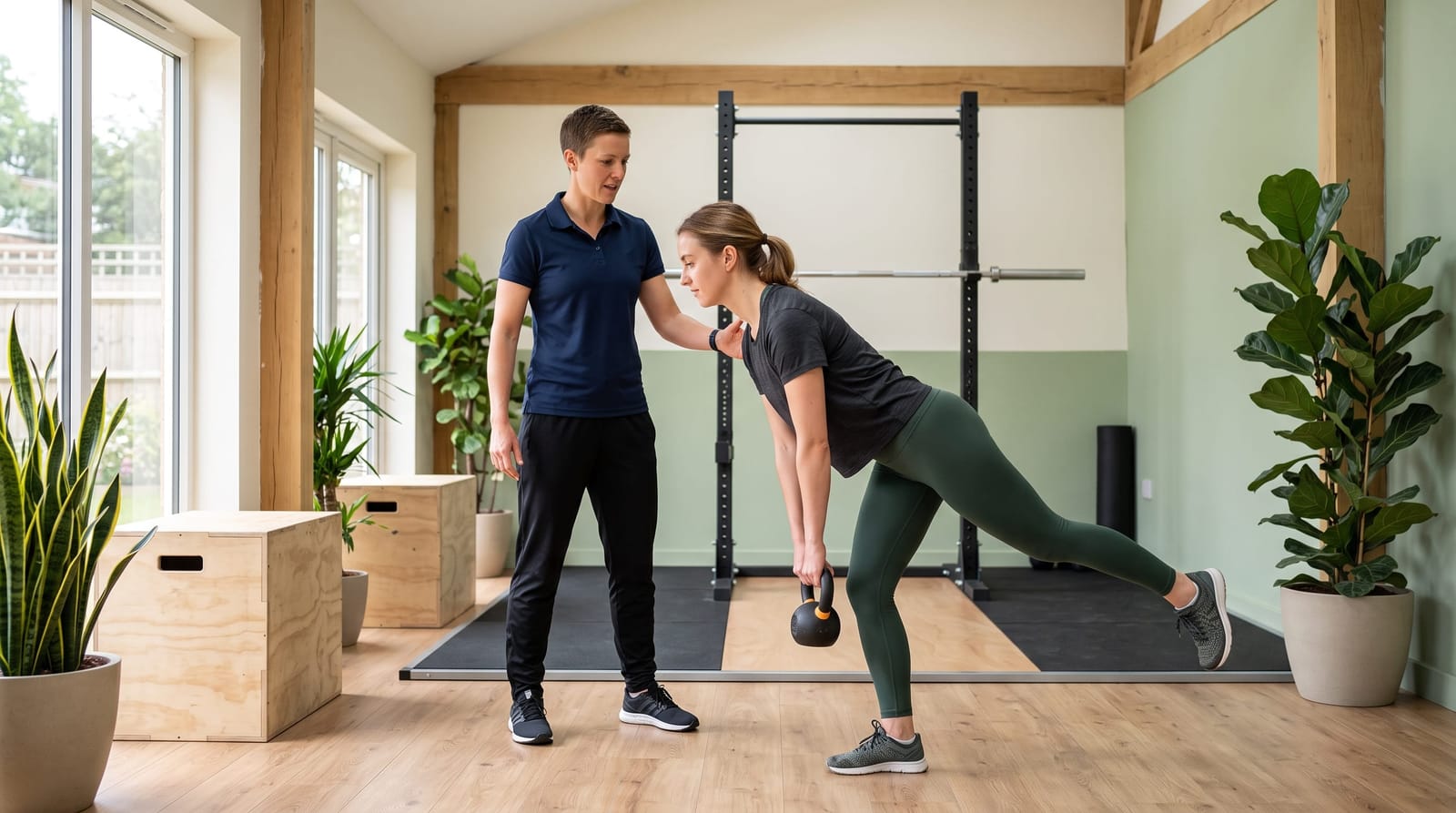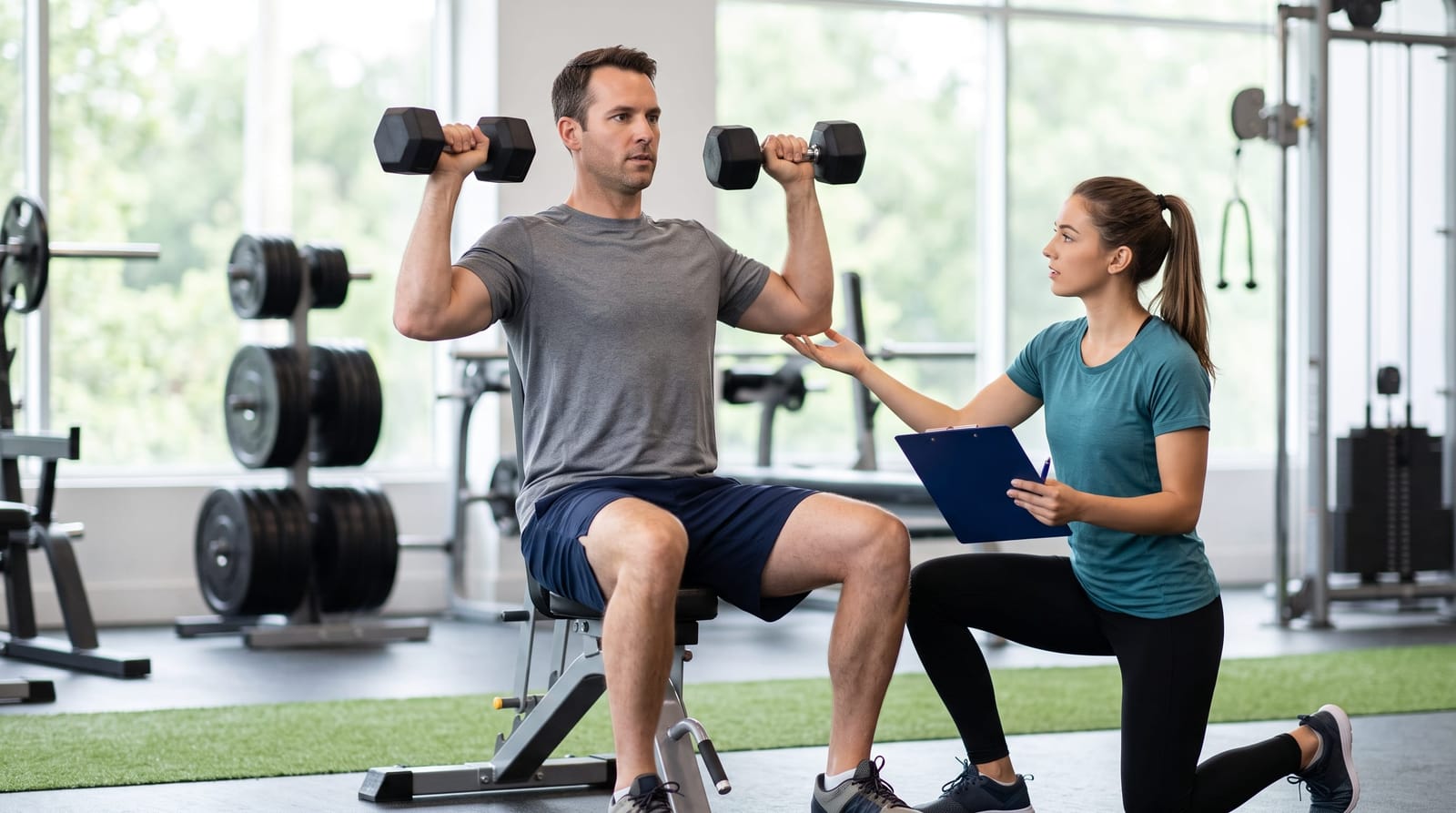
How to Choose a Personal Trainer in Yonkers or The Bronx: 7 Questions to Ask
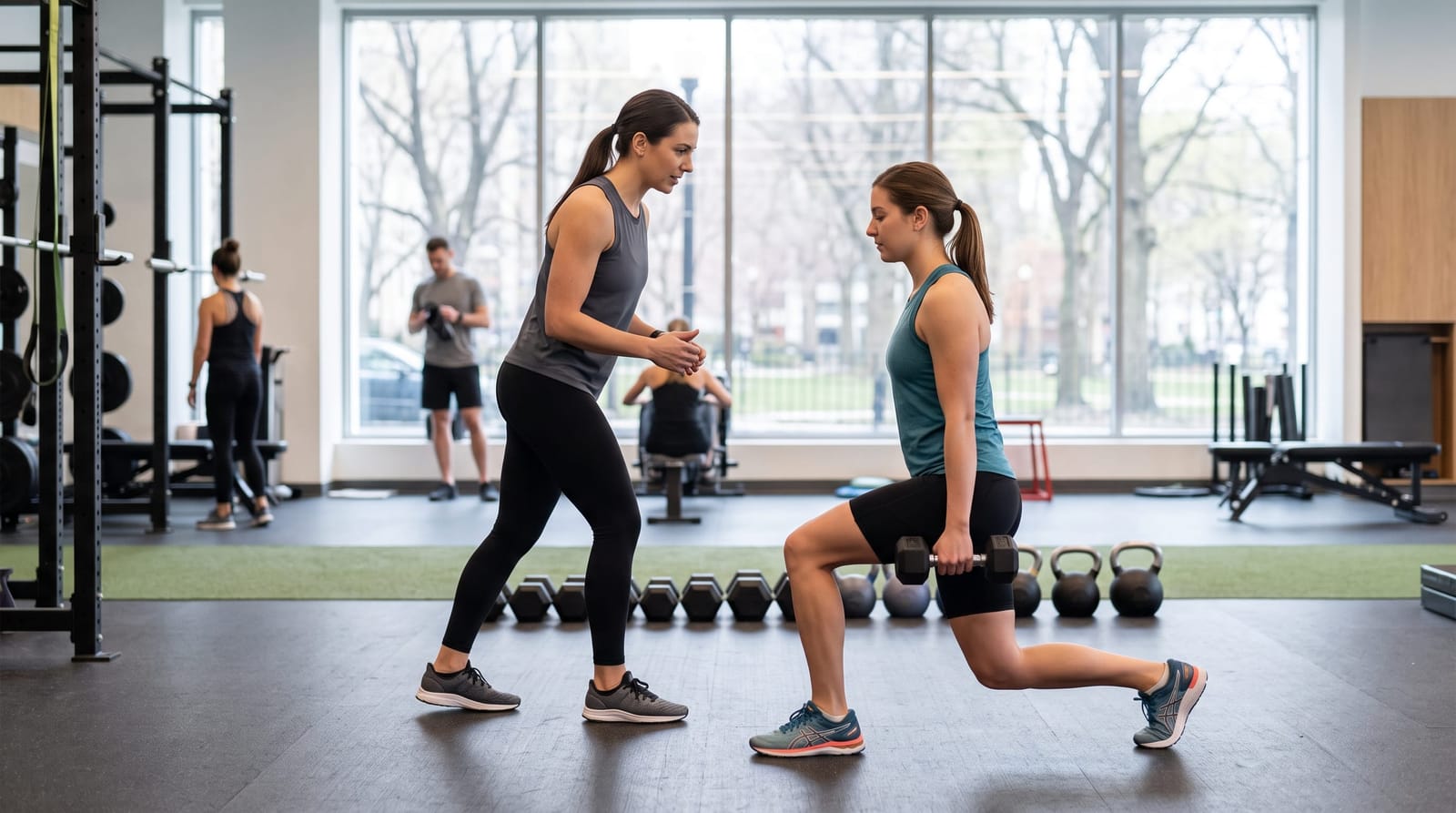
Finding the right personal trainer can be one of the most impactful decisions you make for your health, but it can also feel overwhelming. With dozens of coaches marketing themselves across Yonkers, Mount Vernon, New Rochelle, and the Bronx, how do you separate the truly transformative trainers from those who are simply going through the motions? This guide is designed to help you do exactly that.
Whether you're exploring personal training for the first time or you've had a disappointing experience in the past, knowing how to choose a personal trainer that genuinely fits your needs is essential. Research consistently shows that working with a qualified personal trainer can improve adherence to exercise programs by up to 78% compared to training alone, and that accountability factor is one of the biggest reasons people seek one-on-one coaching in the first place. In the sections below, we'll walk through seven critical questions you should ask before committing to any coach, and what good answers actually look like.
Why Choosing the Right Personal Trainer Matters More Than You Think
Not all personal trainers are created equal. The fitness industry has relatively low barriers to entry, some certifications can be obtained in a weekend, which means the quality of trainers varies enormously. A 2021 survey found that nearly 40% of people who quit working with a personal trainer cited "poor communication" or "feeling unheard" as the primary reason. That's not a fitness problem: that's a fit problem.
When you're searching for a personal trainer near you in Yonkers, the Bronx, or surrounding areas, you're not just hiring someone to count your reps. You're investing in a relationship that will shape how you move, how you feel about yourself, and whether you stick with a healthier lifestyle long term. The coach you choose should understand your individual body, your history with exercise, your schedule constraints, and the emotional barriers that have held you back in the past.
A great personal trainer is part coach, part educator, and part motivator. They design programs that evolve with you, not static routines pulled from a template. They track your progress with real metrics, adjust when life gets in the way, and hold you accountable without making you feel judged. That kind of coaching exists, but you have to know what to look for to find it.
Question 1: What Are Your Certifications and Ongoing Education?
Credentials matter, but context matters even more. When evaluating how to choose a personal trainer, the first question to ask is about their certifications and whether they stay current in the field.
Recognized Certifications to Look For
The gold standard certifications in personal training come from nationally accredited organizations. Look for trainers certified through NASM (National Academy of Sports Medicine), ACE (American Council on Exercise), ACSM (American College of Sports Medicine), or NSCA (National Strength and Conditioning Association). These organizations require trainers to pass rigorous written exams, complete continuing education hours, and maintain current CPR/AED certification.
A trainer who holds one of these credentials has demonstrated a foundational knowledge of anatomy, exercise science, program design, and client safety. That's your baseline. But beyond the base certification, ask whether they hold specialty credentials, for example, certifications in corrective exercise, nutrition coaching, pre/postnatal fitness, or sports performance. Specialty training signals that a coach invests in their professional development, not just their initial certification.
Red Flags in Credentials
Be cautious of trainers who can't clearly name their certifying body, who received their certification entirely online without a practical component, or who haven't pursued any continuing education in the past two years. The exercise science field evolves rapidly: a trainer who stopped learning after their first cert may not be applying current best practices to your program.
Question 2: What Is Your Training Philosophy: and Does It Match Mine?
Training philosophy is arguably more important than credentials when it comes to long-term success. A trainer can have every certification in the book but still be the wrong fit if their approach clashes with your values, personality, or goals.
Common Training Philosophies
Some trainers are primarily performance-focused: they build programs around metrics like strength PRs, speed, and body composition data. Others take a functional movement approach, prioritizing how well your body moves in daily life rather than how much you can lift. Some coaches lead with mindset and lifestyle coaching first, treating fitness as a byproduct of broader wellbeing. And some trainers emphasize community and emotional support as much as physical programming.
None of these approaches is universally right or wrong. What matters is that your trainer's philosophy aligns with why you're showing up. If you want to feel less pain and move better, a trainer obsessed with powerlifting PRs may frustrate you. If you want accountability and structure, a coach who's very hands-off may leave you feeling lost.
How Survive 41 Approaches Training Philosophy
At Survive 41, the coaching philosophy is rooted in a whole-person approach: training the body while also acknowledging the mental and emotional work that real transformation requires. Their trainers don't just build workout plans; they build relationships that empower members to keep showing up even when motivation dips. That kind of philosophy is a fundamental difference between a trainer who collects a fee and a coach who actually cares about your outcome.
Question 3: How Do You Personalize Programs for Each Client?
Generic programs produce generic results. When you're learning how to choose a personal trainer, one of the clearest differentiators between a high-quality coach and a mediocre one is how they approach individualization.
What a Real Assessment Looks Like
A qualified trainer should conduct a thorough intake process before designing your first session. This typically includes a health history questionnaire, a movement assessment to identify imbalances or limitations, a conversation about your specific goals, and a discussion of your lifestyle: sleep habits, stress levels, nutrition patterns, and schedule availability. Studies suggest that personalized exercise programs generate up to 30% better adherence outcomes compared to generic group templates, which is a compelling reason to demand this level of individualization.
Ask prospective trainers directly: "If two clients both want to lose weight, would they follow the same program?" If the answer is yes, or if the trainer hesitates, that tells you a great deal about their process. The right answer is always no. Programs should be built around the individual, not the goal in isolation.
Reassessment and Program Evolution
A great trainer doesn't just build your program once and forget it. Ask how frequently they reassess and adjust programming. Progress stalls when programs stop challenging you appropriately, and injury risk increases when programs don't account for how your body is changing. Reassessments every four to six weeks are a reasonable benchmark for a trainer who's paying attention.
Question 4: How Do You Handle Accountability Between Sessions?
Your trainer can only directly observe a small fraction of your week: typically two to three hours out of 168. What happens outside the gym matters enormously, and the best trainers have systems in place to support you even when they're not physically present.
Accountability Tools and Check-Ins
Ask prospective trainers whether they provide homework: active recovery recommendations, nutrition guidance, or mobility work to do on off days. Ask whether they check in via text, app, or email between sessions. Ask how they handle it when a client cancels repeatedly or falls off track. The answers reveal whether the trainer sees their role as transactional (show up, train, go home) or relational (invested in your consistent progress).
Knowing how often you should see a personal trainer to get real results is an important piece of this conversation, because accountability between sessions becomes even more critical when you're training once or twice a week versus four times a week.
The Difference Between Accountability and Pressure
There's a meaningful distinction between a trainer who holds you accountable with encouragement and structure versus one who shames you for missed sessions or slow progress. Accountability should feel empowering, not punitive. Look for coaches who respond to setbacks with curiosity ("What got in the way this week?") rather than judgment.
Question 5: Can I See Client Testimonials or Talk to Past Clients?
Social proof is one of the most reliable indicators of whether a personal trainer delivers on their promises. A trainer who has genuinely transformed clients' lives will have no hesitation providing testimonials, case studies, or references.
What Meaningful Testimonials Look Like
Generic testimonials like "great trainer, highly recommend!" are less useful than specific stories that describe what a client struggled with, what changed because of the coaching relationship, and what results they achieved over time. Look for testimonials that mention the trainer's communication style, how they handled challenges, and whether the client felt supported as a whole person, not just coached through workouts.
Google reviews, social media comments, and direct referrals from current members are all worth researching. A trainer or gym with dozens of detailed, positive reviews across multiple platforms over several years is demonstrating sustained quality, not just a few good months.
Asking About Experience With Your Specific Goals
Don't just ask for testimonials generally: ask specifically whether the trainer has experience with clients who share your age range, fitness background, and goals. A trainer who specializes in athletic performance may be phenomenal at what they do but less equipped to support someone recovering from a sedentary lifestyle and managing chronic stress. Relevant experience is as important as general expertise.
Question 6: What Is Your Pricing Structure: and What's Actually Included?
Understanding the investment involved is a practical and necessary part of how to choose a personal trainer. Personal training costs can vary significantly based on location, trainer credentials, session frequency, and what's included beyond the training sessions themselves.
In the Yonkers and Bronx area, personal training rates fluctuate based on whether you're working in a commercial gym, a boutique studio, or a specialized facility. Understanding personal trainer cost in Yonkers and the Bronx before you start shopping will help you evaluate whether you're getting real value or simply paying for a name and a fancy facility.
When evaluating cost, ask what is included beyond the in-session training. Does pricing include program design, reassessments, and check-ins? Is there access to nutrition guidance? Are there package discounts for committing to a longer training period? A lower per-session rate that includes nothing outside the hour may cost you more in the long run than a slightly higher investment that includes full-service coaching support.
Question 7: How Will You Support Me If I Hit a Plateau or Struggle?
Every fitness journey includes plateaus, setbacks, and periods where motivation craters. A truly exceptional trainer has thought through how they'll support you during those inevitable rough patches, because those moments are often where the real coaching work happens.
Plateau Management
Ask prospective trainers what they do when a client stops seeing progress. A knowledgeable trainer will talk about periodization, program variation, recovery assessment, and possibly nutrition evaluation. They should treat a plateau as a diagnostic challenge, not a sign of failure on the client's part.
Emotional Support During Hard Phases
Life events, stress, grief, injury, illness, derail fitness plans all the time. A trainer who coaches the whole person will adapt your program during these periods rather than abandoning structure altogether. They'll know when to push and when to pull back. They'll check in with genuine concern, not just to ensure you're still paying for sessions. This quality, compassionate adaptability, is one of the defining characteristics of the coaches at Survive 41, and it's one of the most important things you can look for in any trainer you hire.
Related Topics to Explore Before You Decide
Choosing the right personal trainer is just the beginning of a larger set of decisions. Once you've found a coach you trust, you'll want to think carefully about how frequently you train to optimize your results: explore how often you should see a personal trainer to build an approach that fits your goals and schedule.
You'll also want to make sure your investment aligns with your budget. Understanding personal trainer costs in Yonkers and the Bronx will help you compare options with clarity and confidence, ensuring you're getting real value for what you invest.
The Bottom Line: The Right Trainer Changes Everything
Knowing how to choose a personal trainer is about far more than finding someone who's available and nearby. It's about finding a coach who is qualified, aligned with your values, genuinely invested in your growth, and equipped to support you through the ups and downs of a real fitness journey. Ask the seven questions in this guide before committing to anyone, and pay close attention not just to what trainers say, but to how they say it.
At Survive 41, every trainer is selected and developed with these exact standards in mind. If you're ready to experience coaching that truly sees you as a whole person, not just a client on a roster, we'd love to show you what that looks like. Reach out today to schedule a free consultation with one of our coaches in Yonkers, Mount Vernon, or the Bronx, and take the first real step toward results that last.