Personal Training vs. Group Classes: Which Is Right for You?
One of the first decisions you'll face when joining a gym or starting a fitness program is whether to work one-on-one with a coach or jump into a group class. It sounds simple, but the answer shapes everything: your results, your experience, and how long you actually stick with it. If you've been searching for a personal training vs group classes breakdown that goes beyond surface-level comparisons, you're in the right place. At Survive 41, we help members across Yonkers, Mount Vernon, New Rochelle, Pelham, and the Bronx make this decision every day, and more often than not, the best answer isn't either/or. This article walks through five key factors to help you decide, and introduces a third option that most gyms never offer.
1. Individual Attention: Who's Watching Your Form?
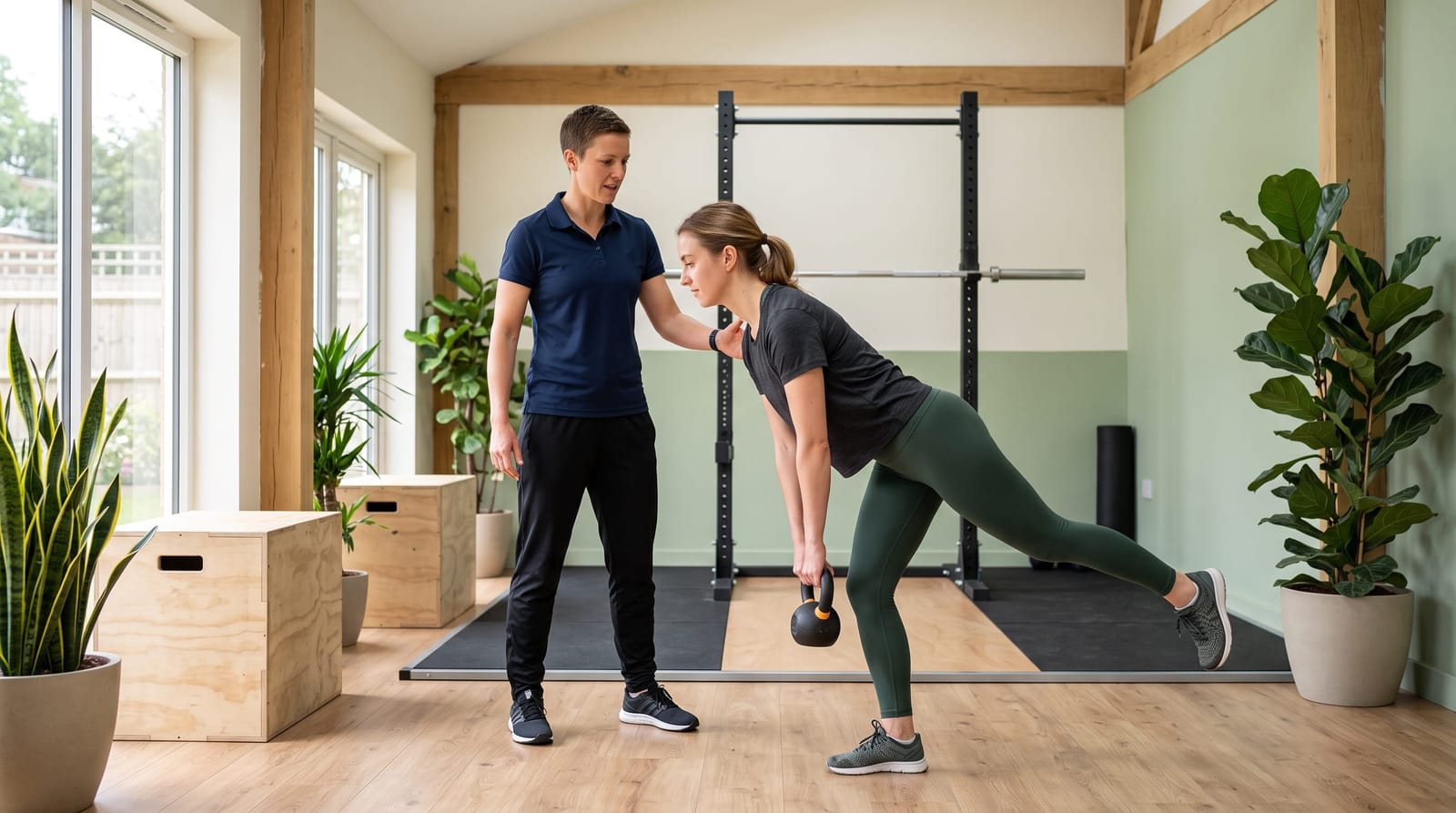
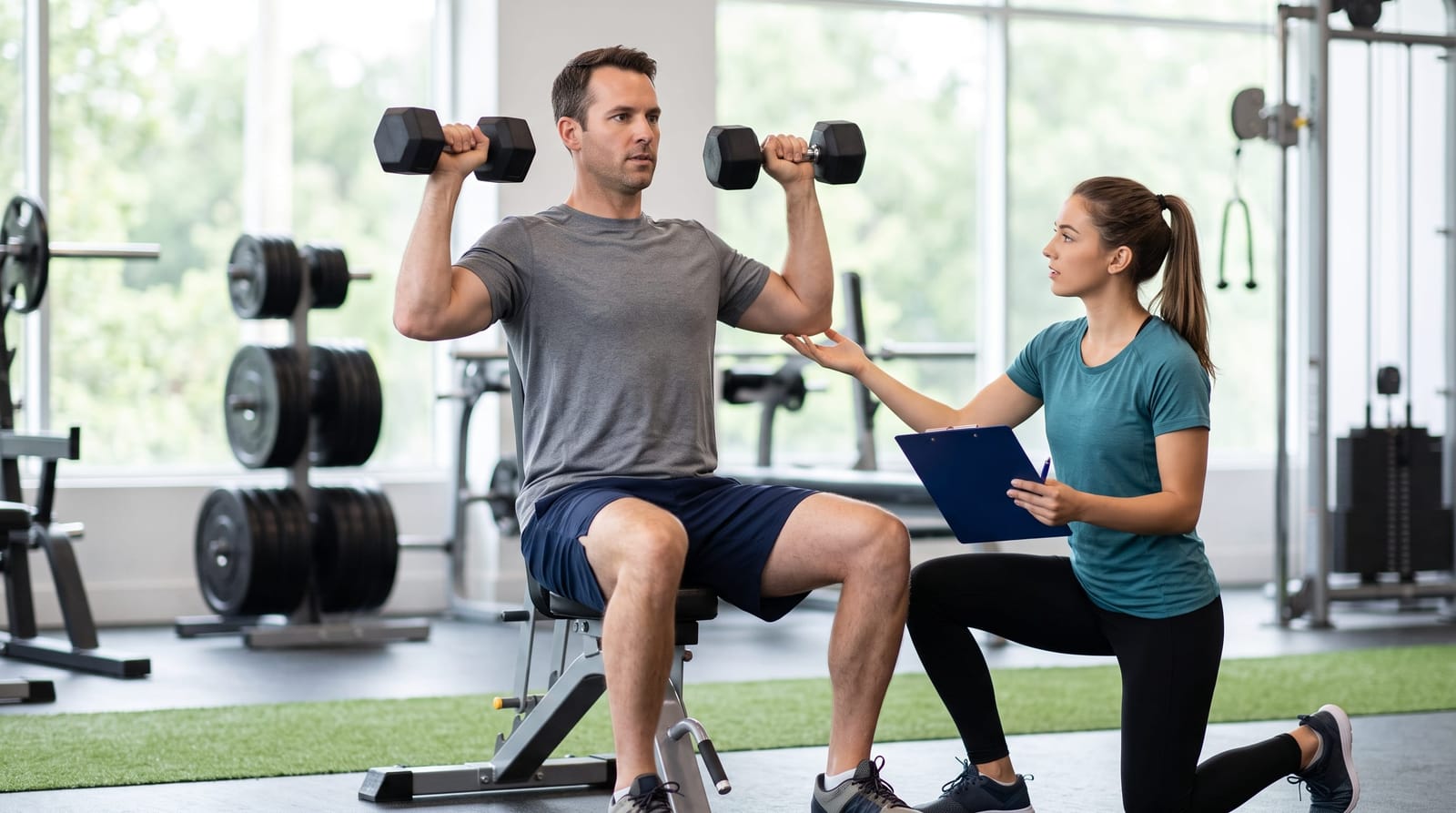
This is the most significant structural difference between personal training and group fitness. In a one-on-one personal training session, every rep you perform is observed, corrected, and adapted in real time. Your trainer isn't splitting focus across 12 other people: they're entirely dialed in on you.
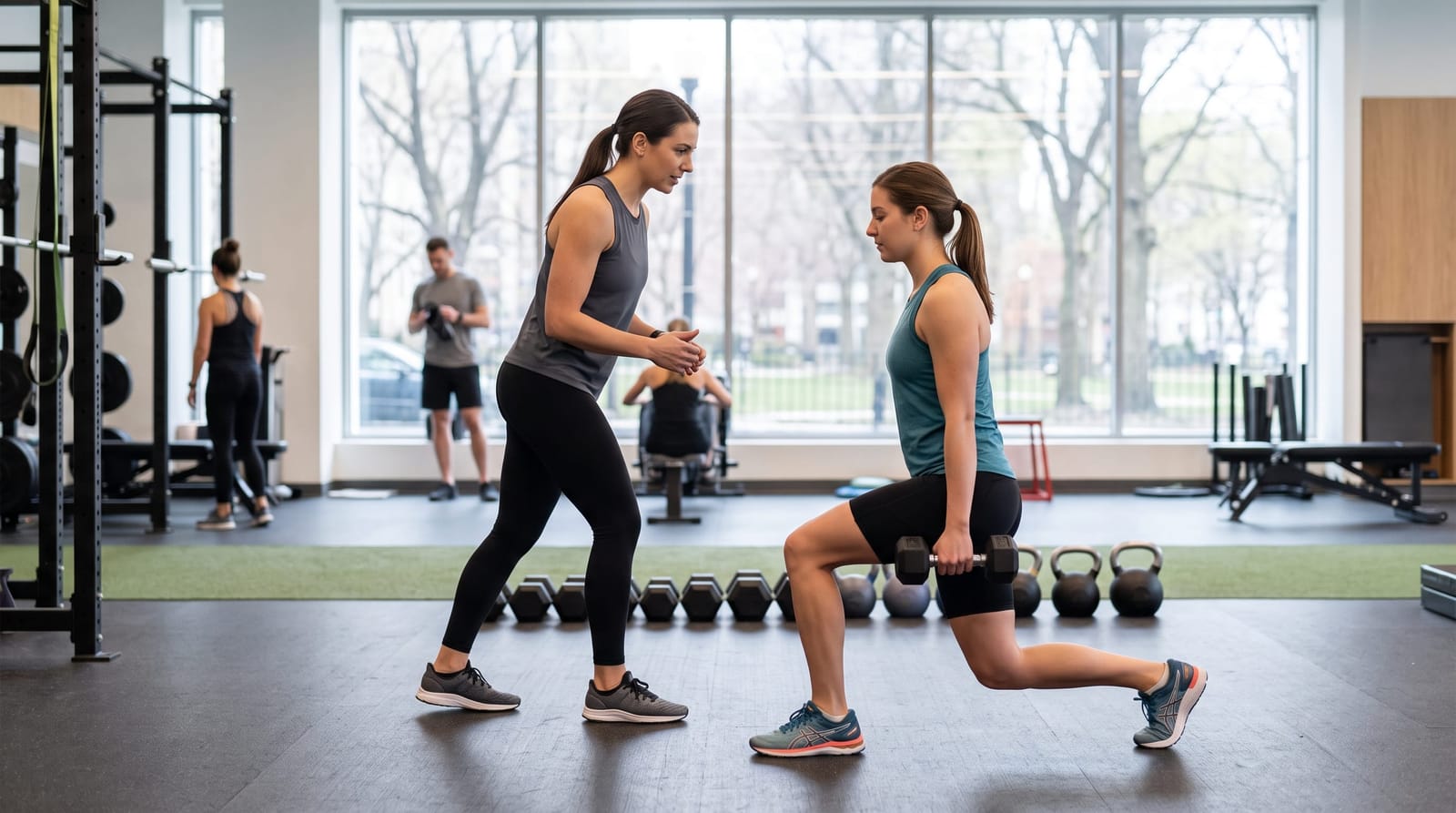
In a group class, even the most attentive instructor is managing an entire room. They can cue the group, move through the space, and offer corrections when they catch something, but they physically cannot monitor every participant's movement quality throughout an entire session. That's not a knock on group instructors; it's just math.
Why Form Matters More Than People Think
Research from fitness safety experts consistently shows that improper movement mechanics are one of the leading causes of gym-related injuries. A squat performed with your knees caving inward, a deadlift with a rounded lower back, or a push-up that dumps into your shoulders: these patterns don't just limit results, they create cumulative wear that can sideline you for weeks or months. A certified personal trainer catches and corrects these patterns before they become problems. In a group class, those same patterns might go unaddressed simply because there's too much happening in the room.
Verdict on attention: Personal training wins for technical safety and individualized correction. Group classes can absolutely be safe and effective, especially when you already have a solid movement foundation.
2. Cost: What Are You Actually Paying For?
Let's be honest: cost is a real factor for most people, and there's a meaningful price difference between personal training and group fitness memberships.
Breaking Down the Numbers
- Group fitness memberships typically range from $30-$100/month at most gyms and studios, giving you unlimited or scheduled class access.
- Personal training sessions generally run $60-$150+ per session in the New York metro area, depending on the trainer's credentials, experience, and the facility.
- Hybrid memberships (like those at Survive 41) bundle group classes with personal training access at a combined rate, often making the per-session value significantly higher than purchasing either in isolation.
The key question isn't just "what does it cost?": it's "what does it cost per result?" A cheaper group membership that you stop using after six weeks because you plateau or lose motivation isn't a bargain. A personal trainer who keeps you accountable, adjusts your program monthly, and gets you to your goal in four months may actually represent stronger value over time.
That said, personal training is a genuine investment, and budget constraints are real. This is exactly why the hybrid model matters, and why we'll come back to it at the end of this article.
Verdict on cost: Group classes win on upfront price. Personal training wins on cost-per-result when you factor in accountability and programming precision.
3. Customization: Is This Program Built for You?
This is where personal training creates its clearest advantage. A personal trainer starts by learning about you: your goals, your history, any injuries or limitations, your schedule, your lifestyle outside the gym. From that intake, they build a program designed specifically around your body and your life.
What Customization Actually Looks Like
- If you have a history of lower back pain, your trainer programs around it: substituting movements, adjusting load, and reinforcing the supporting muscles that protect your spine.
- If your goal is fat loss but you also need to build strength to protect your joints, your trainer balances both: rather than defaulting to a generic calorie-burn template.
- If work stress flattens your energy on Thursdays, your trainer can shift intensity accordingly that day instead of driving you into the ground.
Group classes follow a set curriculum. That curriculum is often excellent: designed by smart coaches, structured progressively, and challenging in the right ways. But it's designed for a population, not for you specifically. A 55-year-old woman returning to fitness after a knee replacement and a 28-year-old man training for his first 5K are both in the same class, following the same session.
Verdict on customization: Personal training wins decisively. Group classes are built for a broad population; personal training is built for one person: you.
4. Social Motivation: Does the Energy of a Room Help You?
Here's where group classes earn a genuine, hard-to-replicate edge.
For many people, the energy of a room full of people working hard together is deeply motivating. You push harder when someone next to you is pushing hard. You show up because you know people in the class. You don't want to be the person who quits during the finisher. That social momentum is real, and studies on exercise adherence consistently show that people who work out with others are significantly more likely to maintain their habits long-term.
The Accountability Equation
A 2017 study published in the Journal of Social Sciences found that people who exercised with a partner improved their workout time by up to 200% compared to those who exercised alone. Group classes leverage this effect naturally. You walk in and the environment does some of the motivational work for you.
Personal training offers a different kind of accountability: your trainer is expecting you, they've prepared a session for you, and canceling feels personal in a way that skipping a group class doesn't. Both forms of accountability work. They just work differently depending on your psychology.
- If you're energized by competition and community, group classes may drive harder effort.
- If you need someone who knows your name and holds you personally responsible, personal training may be the accountability structure that actually sticks.
- If you're introverted and find large group environments overwhelming, one-on-one coaching may be far more comfortable and productive.
Verdict on motivation: Group classes win for social energy and community. Personal training wins for personalized accountability. Your personality type matters more here than almost any other factor.
5. Results: Which Approach Gets You There Faster?
If your goal is to see measurable, meaningful progress, not just show up and sweat, then the research consistently points toward personal training as the faster path.
A study published in the Journal of Sports Science & Medicine found that participants who worked with a personal trainer achieved significantly greater improvements in strength, body composition, and cardiovascular fitness compared to those who trained independently or in group settings over the same 12-week period. The mechanism is simple: when your program is built around your specific gaps, your adaptation is more targeted.
Faster Doesn't Mean Better for Everyone
Speed of results matters if you're working toward a specific deadline: a wedding, a health scare, an event. But many people benefit more from the sustainable habit formation that group classes encourage. Consistency over 12 months in group classes will outperform 8 weeks of personal training followed by complete dropout.
To learn more about what realistic timelines actually look like, the post on personal training results what to expect breaks down specific milestones you can use as benchmarks at Survive 41.
Verdict on results: Personal training produces faster, more targeted results. Group classes produce more sustainable habits for some personality types. Long-term consistency beats short-term intensity almost every time.
The Survive 41 Recommendation: Why Not Both?
Most gyms make you choose. Survive 41 was built around the idea that you shouldn't have to.
Our trainers and coaches in Yonkers, Mount Vernon, and the Bronx have found that members who combine personal training with group classes consistently outperform members who use either service alone. Here's why the combination works so well:
- Personal training sessions address your specific weaknesses, build your movement foundation, and track your individual progress.
- Group classes reinforce those same patterns in a higher-energy, community-driven environment that keeps you engaged and consistent.
- Together, they create a complete feedback loop: the trainer knows what you worked on in class, and the class reinforces what you built in your sessions.
If you're wondering how these two services actually integrate in practice, we go deep on that in our article on combining personal training and group fitness classes, including how our coaches coordinate programming across both formats so nothing slips through the cracks.
Not sure how to evaluate which personal trainer is the right fit for your goals before you commit? The guide on how to choose a personal trainer gives you seven specific questions to ask, including ones most people never think to raise.
Related Details Worth Exploring
If this comparison has you leaning toward adding personal training to your routine, or you're curious how the pairing actually works day-to-day, these posts go deeper on specific aspects of the decision:
- How Personal Training and Group Classes Work Together at Survive 41: A behind-the-scenes look at how our coaches design integrated programs so both formats reinforce each other.
Conclusion: The Answer Is Personal
There's no universal winner in the personal training vs group classes debate, because the right answer depends on your goals, your budget, your personality, and where you are in your fitness journey. What we know from working with hundreds of members across Westchester and the Bronx is this: people who feel seen, coached, and connected to their gym stay longer and get better results than people who just have access to equipment.
At Survive 41, our coaches are ready to help you figure out exactly what combination makes sense for you: no pressure, no one-size-fits-all scripts. Reach out today to schedule a free consultation and let's build the approach that fits your life.