How Often Should You See a Personal Trainer to Get Results?
It's one of the first questions people ask when they're thinking about working with a personal trainer: How many times a week do I actually need to show up? The honest answer depends on where you are in your fitness journey, what your goals look like, and how your training sessions fit into your overall weekly routine. This beginner's guide breaks down the frequency question clearly, so you can stop guessing and start planning a schedule that actually gets you somewhere.
Start Here: Why Frequency Matters (But Isn't Everything)
Training frequency, how often you meet with a personal trainer, matters a lot, but it's only one piece of the puzzle. Two people can both train three times per week and get completely different results depending on what happens during those sessions, how they recover, and how consistent they stay over time.
That said, frequency does set the foundation. Show up too rarely and momentum stalls. You spend half of each session re-learning things you forgot. Show up too often without adequate recovery and your body breaks down instead of building up.
The goal is to find a rhythm that challenges your body enough to create change, gives you time to recover, and is realistic enough that you can actually sustain it. Most people new to training underestimate just how important that last part is. A schedule you can maintain for six months will always beat an aggressive plan you abandon after three weeks.
Research consistently shows that most people notice meaningful physical changes somewhere between three and six months of consistent training, which means the best frequency is the one you can commit to long enough for those changes to compound.
The Beginner's Guide to Personal Training Frequency by Level
Complete Beginners: Build the Foundation with 2-3 Sessions Per Week
If you're new to structured exercise, or coming back after a long break, two to three personal training sessions per week is generally the sweet spot. Here's why that range works so well at the beginning:
- You're learning movement patterns, not just burning calories. A trainer needs to teach you how to squat safely, how to brace your core, how to hinge at the hips without rounding your back. That takes repetition across multiple sessions, not just one.
- Your body needs time between sessions to adapt. Muscle soreness is real when you're starting out, and training through constant soreness without recovery is a shortcut to frustration and injury.
- The habit forms faster when training is a regular part of your week, not a rare event. Two to three sessions gives you enough touchpoints to make fitness feel routine.
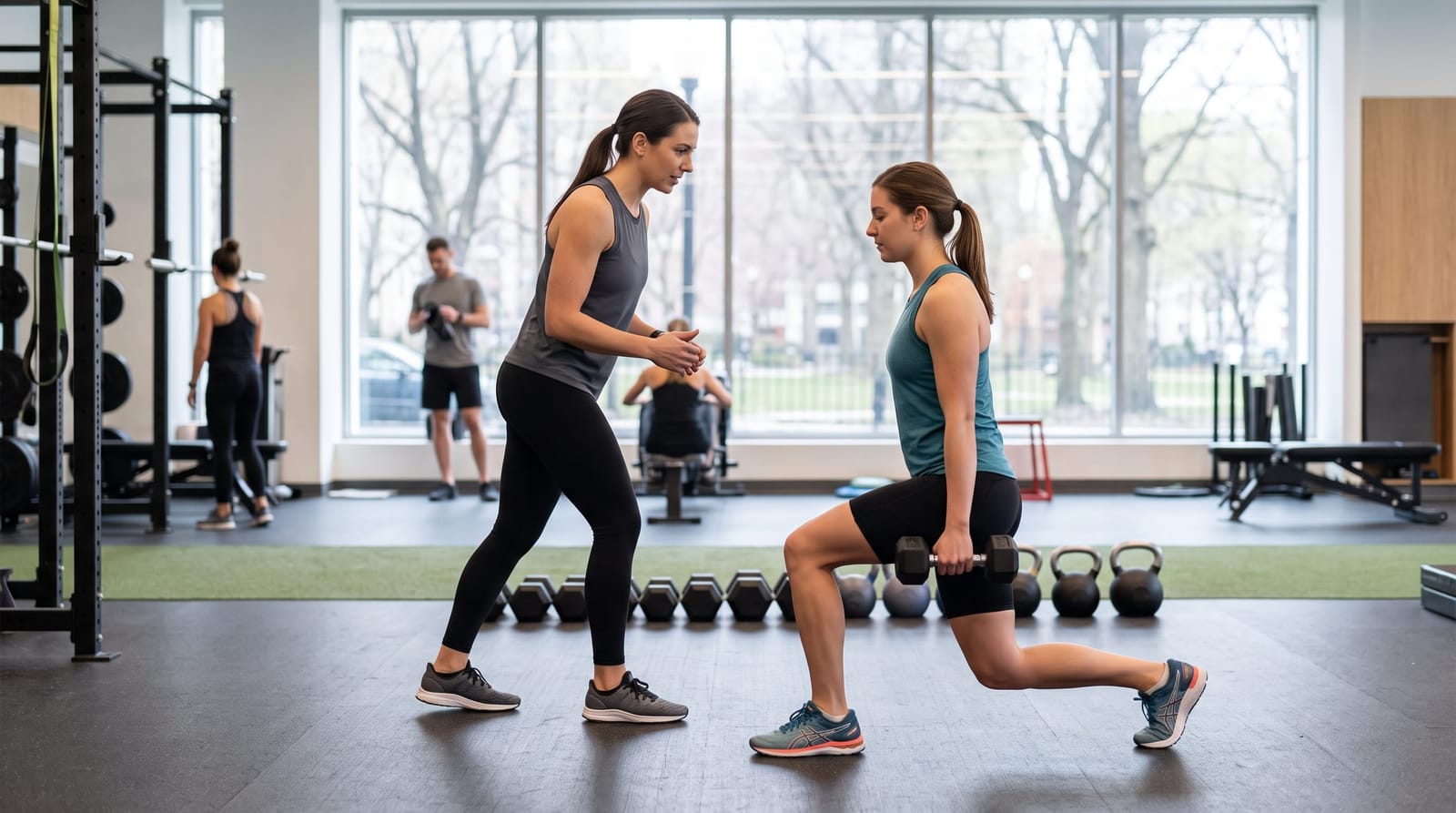
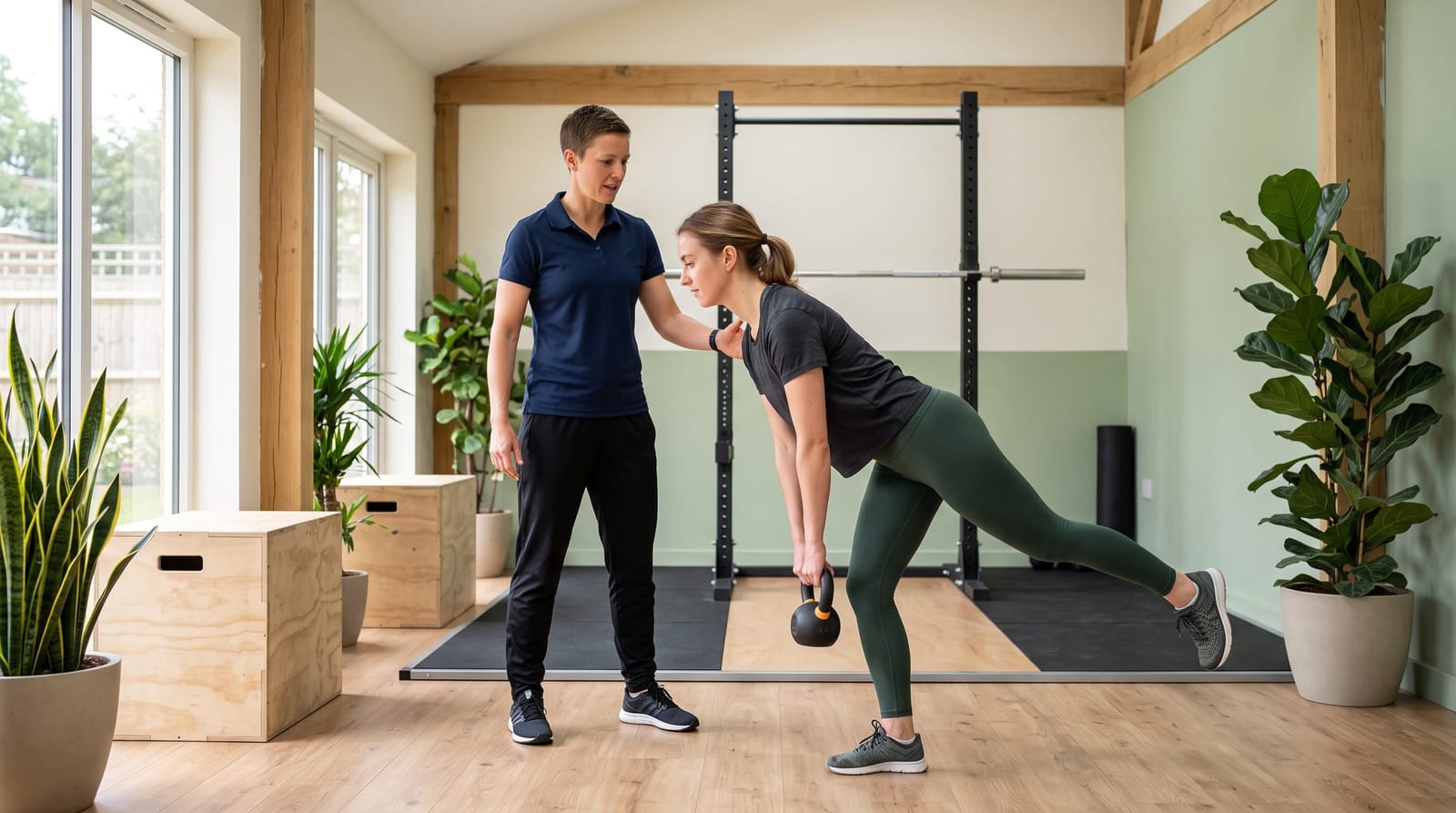
At this stage, your trainer is doing a lot more than just counting reps. They're assessing your movement, correcting form in real time, adjusting intensity based on how your body responds, and helping you understand what good effort actually feels like. That ongoing feedback is what makes early-stage personal training so valuable.
Intermediate Clients: Once or Twice Per Week Can Be Enough
Once you've developed a solid foundation, you know how to move well, you understand your body's signals, and you've built real consistency, the frequency question shifts. Many intermediate clients see continued progress with just one to two personal training sessions per week, provided they're filling the rest of their week with quality independent training or group classes.
At this level, your trainer transitions into more of a programming director and accountability partner. Sessions focus on progression, adding complexity, increasing load, addressing weak points, rather than teaching fundamentals from scratch. You need less hand-holding on basics and more strategic guidance on where to go next.
This is also where combining personal training with group fitness classes becomes a genuinely smart strategy, which leads directly to the next section.
How to Build a Complete Weekly Schedule Without Daily Personal Training
Here's a truth that doesn't get said often enough: daily one-on-one personal training is not necessary to get great results. In fact, for most people it's neither practical nor ideal. What is ideal is a thoughtfully structured week that blends personal training sessions with other forms of consistent activity.
At Survive 41, members in Yonkers, Mount Vernon, New Rochelle, Pelham, and the Bronx often build their week around a combination of personal training sessions and group classes, and it works exceptionally well. Here's what that can look like in practice:
- Monday: Personal training session: focused strength work, form refinement, progressive overload
- Wednesday: Group fitness class: high energy, community motivation, cardiovascular conditioning
- Thursday: Personal training session (or a second group class, depending on your program)
- Saturday: Group class: active weekend session, keeps the momentum going
This kind of hybrid schedule gives you the personalized coaching and accountability of working with a trainer, layered on top of the community energy and variety of group training. You're training four days a week, but only spending personal training dollars on two of them. That balance is both financially practical and physically effective.
If you're weighing the investment side of this equation, understanding how much a personal trainer costs in Yonkers or the Bronx can help you plan a frequency that fits your budget as well as your goals.
Signs You May Need to Adjust Your Training Frequency
Knowing the general recommendations is useful, but paying attention to your body and your progress is even more important. Here are signals that your current frequency may need to change:
You Might Need More Sessions If:
- Your form feels inconsistent or you're unsure you're doing exercises correctly on your own
- You've plateaued and haven't seen changes in strength or body composition in six or more weeks
- You find it hard to push yourself without someone there to hold you accountable
- You're preparing for a specific event, goal, or deadline that requires accelerated progress
You Might Be Ready to Reduce Sessions If:
- You've internalized your trainer's programming and can execute it confidently on your own
- Your motivation and consistency are strong without external accountability
- You're maintaining results comfortably and your goals have shifted to long-term sustainability
A good personal trainer will actually encourage this kind of evolution. The goal isn't dependency: it's building the knowledge and habits so that fitness becomes part of who you are, not just something you need help managing.
Frequently Asked Questions
Is once a week with a personal trainer enough to see results?
Once a week can support progress, particularly for intermediate clients who train independently on other days, but for beginners, it's usually not enough on its own. Without at least one additional training session during the week, it's difficult to build the momentum and consistency needed to see meaningful change. Once-weekly sessions work best as a complement to a broader weekly routine, not as the entire program.
How long before I see results from personal training?
Most people begin noticing real, visible changes somewhere between three and six months of consistent training. That said, many people feel improvements in energy, sleep, and mood within just a few weeks. Results depend heavily on consistency, effort inside and outside of sessions, and individual factors like starting fitness level and overall lifestyle. Consulting a healthcare professional can provide personalized guidance on what to expect for your specific situation.
Can I combine personal training with group fitness classes at Survive 41?
Absolutely, and it's one of the most effective approaches for getting results without the cost of daily one-on-one sessions. Personal training at Survive 41 provides the individualized programming and coaching you need, while group classes add variety, community energy, and additional training days that complement your personal training sessions perfectly. Many members in Yonkers, Mount Vernon, New Rochelle, Pelham, and the Bronx follow exactly this kind of hybrid approach.
What happens if I can only afford one or two personal training sessions per week?
One to two sessions per week is a completely workable starting point, especially when you use those sessions intentionally and stay active on other days. A great personal trainer will design your sessions so they build on each other and give you clear direction for what to do on your own. Combining personal training with group classes is an ideal way to maximize your investment while keeping your overall training volume high.
The Bottom Line on Training Frequency
There's no single magic number that works for everyone, but for most beginners, two to three personal training sessions per week provides the structure, feedback, and consistency needed to build real results. As you progress, that number can shift to once or twice per week, especially when you combine coaching with group classes to stay active throughout the week. The most important thing isn't finding the perfect frequency on paper: it's finding a schedule you'll actually stick to and show up for, week after week. That's where real transformation happens.