What Is a Stretch Coach and Do You Need One?
Most people think about what they do in the gym: the lifts, the sprints, the rounds on the heavy bag. Almost nobody thinks about how they recover between those sessions. If you're training hard and skipping intentional flexibility work, you're leaving real performance gains on the table. A stretch coach is one of the most overlooked tools in a serious athlete's toolkit, and understanding the stretch coach benefits might completely change how you approach your fitness routine. This guide breaks down exactly what a stretch coach does, how they differ from just stretching on your own, and whether you actually need one.
What Does a Stretch Coach Actually Do?
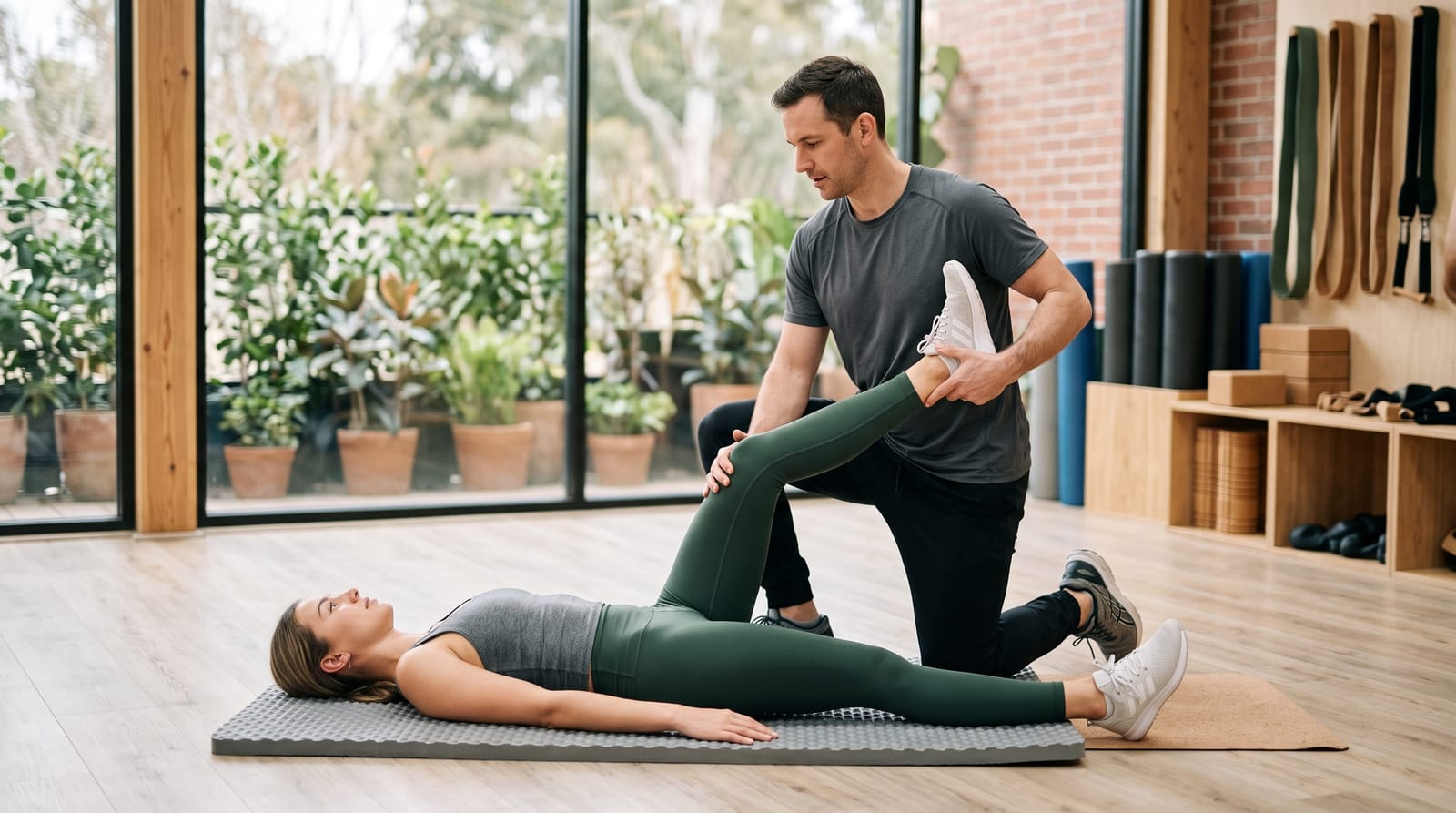
A stretch coach, sometimes called a flexibility coach or assisted stretching specialist, is a trained professional who guides you through structured stretching sessions designed specifically for your body's needs and movement limitations. Think of them the way you'd think of a personal trainer, except their entire focus is on your range of motion, joint health, and tissue recovery rather than strength output.
During a session, a stretch coach will typically begin with a brief movement assessment to identify where you're holding tension or restricted in mobility. From there, they guide you through a combination of techniques including:
- Passive stretching: the coach moves your limb through a range of motion while you relax
- Active isolated stretching: you contract one muscle group while the coach assists in lengthening the opposing one
- Proprioceptive neuromuscular facilitation (PNF): a contract-and-release method shown in research to produce greater flexibility gains than static stretching alone
The result is a session that's far more precise and effective than anything you'd accomplish folding over on a gym mat for 90 seconds after a workout. Research published in sports rehabilitation literature consistently shows that PNF and assisted stretching techniques can improve range of motion by up to 20-30% more than passive self-stretching over the same time period.
Guided Stretching vs. Stretching on Your Own: What's the Real Difference?
Self-stretching isn't bad: it's just limited. When you stretch on your own, you can only go as far as your own strength and body awareness allows. Most people unconsciously protect tight areas, compensate with other muscle groups, and never actually reach the tissues that need work. That's not a discipline problem; it's a biomechanical reality.
A stretch coach changes this dynamic in three critical ways:
- External load: A coach can apply gentle, controlled pressure that takes a stretch 10-15% further than you'd go alone: safely, without the reflex tension that causes injury when you push yourself.
- Feedback loop: A coach watches your body in real time and can identify compensations you don't even feel. That rounded lower back during a hamstring stretch? You won't notice it. They will.
- Consistency: Studies suggest that people who stretch with a coach or partner are significantly more consistent with their flexibility work than those who rely on self-motivation alone. Consistency, not intensity, is what produces lasting mobility gains.
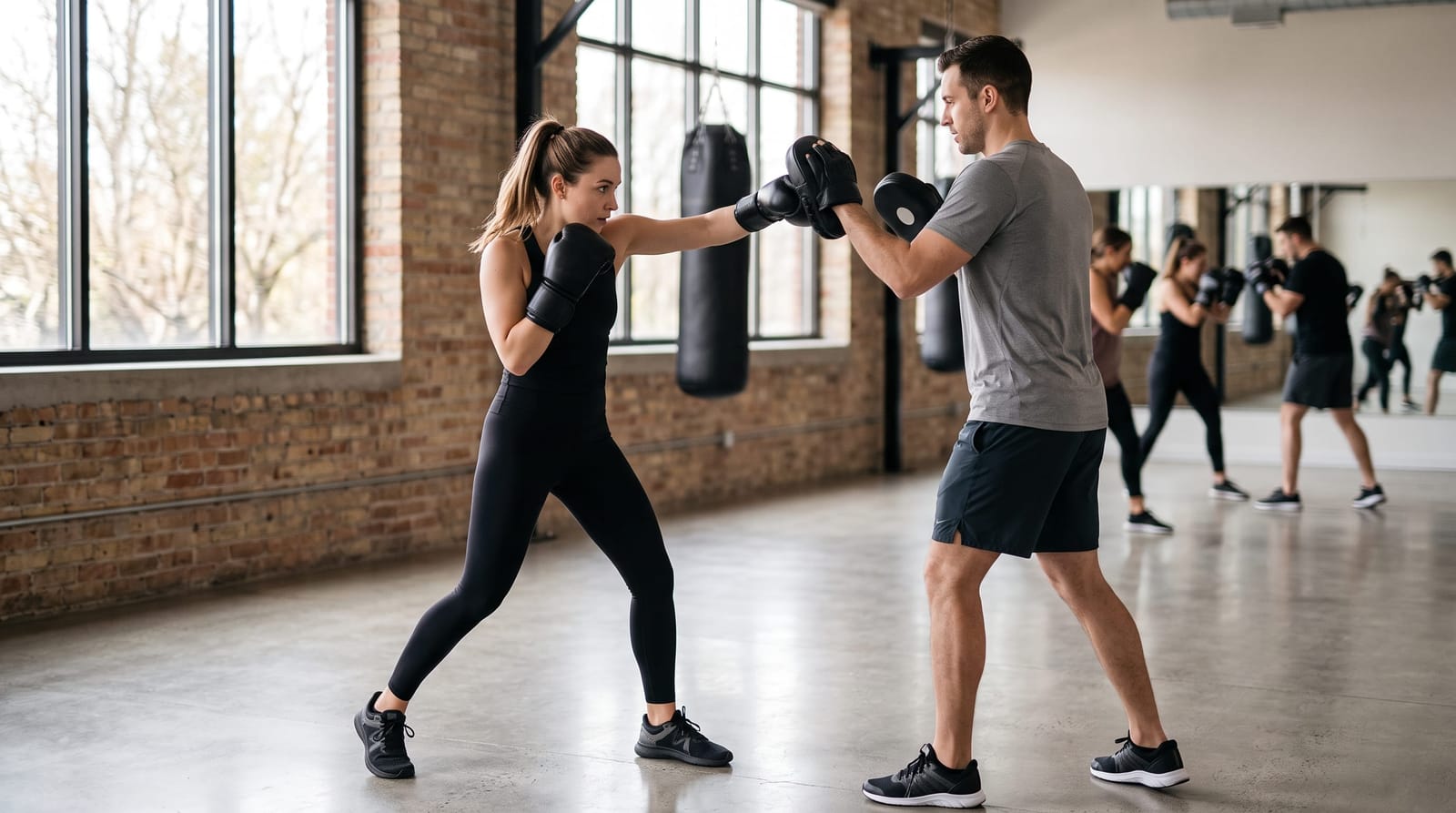
For anyone training in boxing, HIIT, or strength work, all disciplines central to the hybrid gym experience, mobility deficits directly limit performance. Tight hip flexors reduce your power output in punches and squats. Restricted thoracic spine mobility compromises your posture under load. A stretch coach addresses these specific limitations rather than offering generic guidance.
The Stretch Coach Benefits That Actually Impact Your Training
The case for stretch coaching isn't abstract. Here's what the research and real-world application consistently shows:
Injury prevention: Muscle strains and overuse injuries are among the most common training setbacks. Approximately 30-50% of sports injuries are classified as muscle strains, many of which occur in tissues that were chronically tight before the injury event. Regular assisted stretching can reduce muscular tension that builds up from repetitive training patterns.
Faster recovery: Assisted stretching increases circulation to fatigued muscle tissue, which accelerates the removal of metabolic waste: a key factor in how quickly you recover between training sessions. For athletes training 4-6 days per week, this is not a minor detail. It directly affects how hard you can push in the next session.
Better movement quality: Improved range of motion means more efficient movement patterns. A deeper squat. A more powerful hip extension. A safer overhead press. The stretch coach benefits in this area compound over time: better movement creates fewer compensations, which reduces wear on joints and connective tissue.
Mental recovery: Assisted stretching activates the parasympathetic nervous system, helping shift the body out of the stress response that intense training creates. Many athletes report that a 30-minute stretch session provides recovery benefits comparable to other relaxation modalities, without the downtime.
For those exploring other recovery tools, it's worth noting that stretch coaching pairs especially well with modalities like IV therapy for athletes, which works through a completely different physiological mechanism to support performance and recovery.
Who Needs a Stretch Coach Most?
Stretch coaching isn't exclusively for elite athletes. In practice, it's often the everyday gym-goer who benefits most, because elite athletes typically have systematic recovery built into their training programs from day one. The average person training on their own rarely does.
You're likely an ideal candidate for stretch coaching if any of the following apply:
- You train consistently but feel chronically stiff or sore between sessions
- You've been told (or noticed) that your range of motion is limited in major movement patterns like squats, hinges, or overhead presses
- You've dealt with recurring soft tissue injuries in the same areas: hamstrings, hip flexors, lower back, shoulders
- You sit for extended periods during the day and then train at high intensity: a pattern that creates predictable tension patterns throughout the posterior chain
- You're over 35 and noticing that recovery is taking longer than it used to
It's also worth noting that flexibility naturally declines with age: research suggests that adults lose approximately 10% of their flexibility per decade without targeted intervention. A stretch coach provides exactly that targeted intervention before deficits become movement limitations.
Stretch Coaching at Survive 41: A Recovery Service That Stands Apart
At Survive 41, stretch coaching is built into the hybrid gym model because recovery isn't an afterthought: it's a training discipline. The same philosophy that brings boxing, HIIT, and strength training under one roof applies to recovery: why piece together separate services across multiple locations when everything you need is available in one place?
Survive 41's stretch coaching sessions are delivered by trained coaches who understand the specific demands of the programs members are training in. That context matters. A stretch coach who understands that you're doing high-volume bag work three times a week will approach your shoulder and thoracic mobility differently than a generalist would.
Members who integrate stretch coaching into their routine don't just feel better between sessions: they train harder within them, because their bodies can actually access the ranges of motion the training demands. That's the practical value of stretch coach benefits in a real training environment.
Frequently Asked Questions About Stretch Coaching
How often should I see a stretch coach?
Most coaches recommend at least one dedicated stretch session per week for active individuals, with two sessions per week producing noticeably faster progress in flexibility and recovery. Your ideal frequency will depend on your training volume, current mobility levels, and specific goals. A stretch coach can help you identify a starting point based on a brief assessment: consult with a fitness professional familiar with your training history for personalized guidance.
Is assisted stretching safe?
When performed by a trained coach using proper technique, assisted stretching is considered safe for most healthy adults. The key differentiator from self-stretching is the coach's ability to monitor your responses in real time and adjust pressure accordingly. If you have existing injuries, joint conditions, or other health concerns, consult with a qualified healthcare provider before beginning any new flexibility or recovery program.
What's the difference between a stretch coach and a physical therapist?
A physical therapist is a licensed medical professional who diagnoses and treats injury and dysfunction. A stretch coach works in a performance and wellness context: focused on improving mobility, flexibility, and recovery in healthy individuals. They are complementary services, not interchangeable ones. If you're recovering from an injury or experiencing pain, seek guidance from a licensed physical therapist or sports medicine physician first.
Can stretch coaching improve my performance in boxing or HIIT?
Yes, and the mechanism is direct. Hip flexor flexibility affects the power and extension in your punches and kicks. Thoracic mobility affects your guard position and shoulder health. Ankle and calf flexibility affects your footwork agility. Research consistently links improved mobility to better movement efficiency, which translates to both performance gains and reduced injury risk in high-intensity training disciplines.
The Bottom Line on Stretch Coach Benefits
A stretch coach isn't a luxury add-on for elite athletes: it's a practical recovery tool for anyone training seriously. The stretch coach benefits stack up across injury prevention, faster recovery, better movement quality, and long-term joint health. If you're already investing time and effort into your training, guided stretching is one of the highest-return recovery investments you can make. At a hybrid gym like Survive 41, stretch coaching is one piece of a complete fitness system: the kind of one-stop approach that makes serious, sustainable training possible without juggling five different facilities.