Personal Training for Beginners: What to Know Before Your First Session
If you've been thinking about working with a personal trainer but aren't quite sure what to expect, you're not alone. Most first-timers walk in carrying a mix of excitement and nerves: wondering if they'll be pushed too hard, judged for their fitness level, or simply lost. The good news? Personal training for beginners is nothing like the intense boot-camp scenes you might picture. This guide walks you through exactly what happens before, during, and after your first session at Survive 41, so you can show up confident, prepared, and ready to get to work.
What Happens at the Initial Assessment
Your journey doesn't start with a barbell. It starts with a conversation. Before any workout begins, your trainer will sit down with you for an initial assessment, typically the first 10 to 15 minutes of your session, to understand who you are and what you're working toward.
During this intake, expect questions about your health history, activity level, any injuries or physical limitations, and your goals. This isn't a quiz: there are no wrong answers. Trainers ask these questions to protect you and to personalize every workout that follows. According to the American College of Sports Medicine, individualized program design is one of the most critical factors in long-term exercise adherence, which is exactly why this step matters so much.
At Survive 41, this conversation also helps your trainer understand the full picture, not just your physical starting point, but your lifestyle, your schedule, and what's gotten in the way of consistency before. That context shapes everything.
How Trainers Set Goals With You (Not For You)
A great trainer doesn't hand you a list of goals and send you on your way. They build those goals with you, using what they learn in your assessment to create a realistic, motivating roadmap.
Research consistently shows that goal-setting improves fitness outcomes. One commonly cited finding from exercise psychology is that people who set specific, written goals are significantly more likely to follow through than those with vague intentions like "get in shape." Your trainer will help you define what success actually looks like, whether that's losing 20 pounds, completing a 5K, building strength after a long sedentary period, or simply feeling more energized by day-to-day activities.
At Survive 41, trainers focus on short-term milestones as well as long-term outcomes. Hitting a small win, like adding 5 pounds to your squat after two weeks, builds the confidence that keeps you coming back. Personal training for beginners is as much about building momentum as it is about building muscle.
What Your First Workout Actually Looks Like
Here's one of the biggest surprises for most beginners: your first session is not a punishment. You will not be pushed to exhaustion to "test your limits." A skilled trainer knows that crushing a new client in session one is counterproductive: it leads to soreness so intense that you dread coming back.
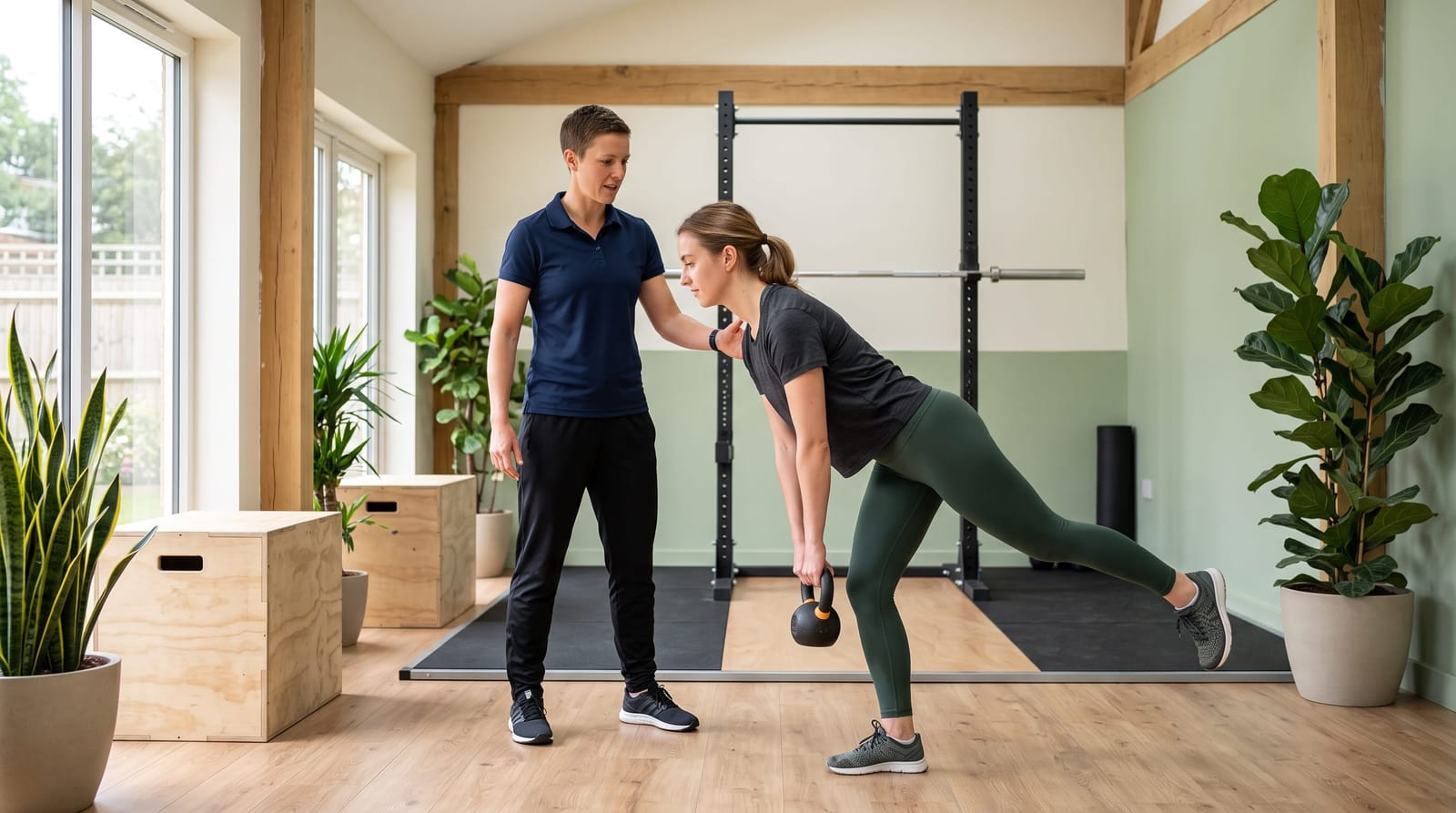
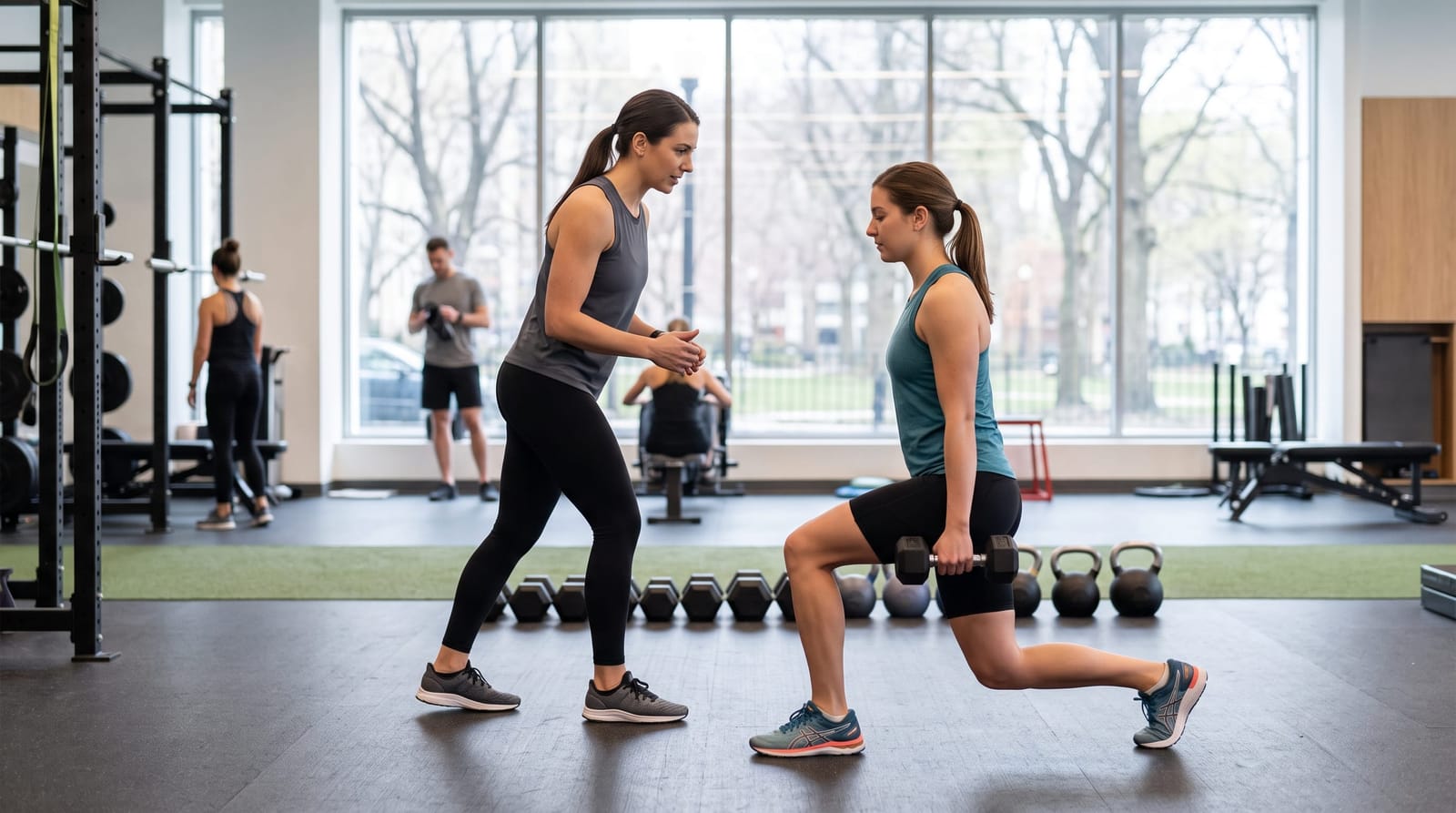
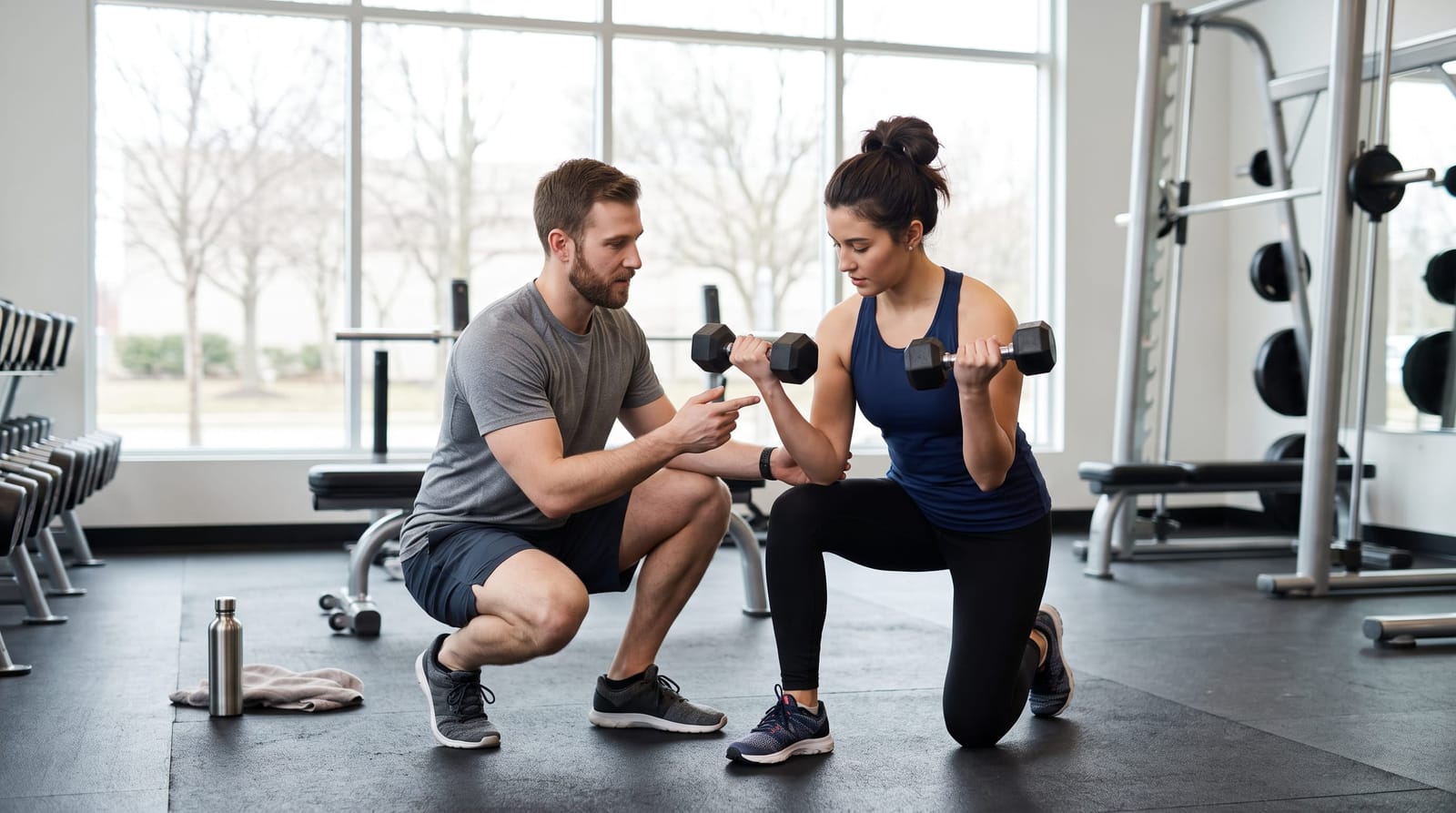
Instead, a first personal training session typically lasts between 45 and 60 minutes and focuses on movement patterns, not maximum effort. Your trainer will demonstrate each exercise before you attempt it, watch your form closely, and make corrections in real time. Think of it as a movement vocabulary lesson: learning how to squat, hinge, push, and pull safely before adding intensity.
You'll likely leave feeling worked but not wrecked. That's intentional. Studies on muscle soreness show that excessive delayed-onset muscle soreness (DOMS) after a first session can reduce motivation by up to 40% in new exercisers. A smart introductory workout keeps you feeling capable, not broken.
What to Wear and Bring to Your First Session
Preparation is simple, and there's nothing fancy required. Here's what to have ready:
- Footwear: Wear supportive athletic sneakers: running shoes or cross-trainers work well. Avoid open-toed shoes or casual sneakers without ankle support.
- Clothing: Choose moisture-wicking, breathable workout attire that allows a full range of motion. Fitted leggings, athletic shorts, and a breathable t-shirt or tank are all good options.
- Water bottle: Hydration matters more than most beginners realize. Bring at least 20 ounces of water and plan to sip throughout.
- A light snack: If your session is early morning or right after work, having a small snack 30 to 60 minutes beforehand, like a banana or a handful of nuts, can help sustain your energy. Consult a registered dietitian for personalized nutrition guidance specific to your health needs.
- A positive mindset: Seriously. Leave the self-criticism at the door. Progress, not perfection, is the goal.
You don't need to bring anything elaborate. Survive 41 provides equipment, guidance, and everything else you need to get started.
How Survive 41's Culture Makes Beginners Feel at Home
One of the most common fears among new clients isn't the workout: it's the environment. Walking into a gym as a beginner can feel intimidating, especially if you're surrounded by experienced athletes or unfamiliar equipment.
Survive 41 was built with a different kind of culture in mind. Serving the communities of Yonkers, Mount Vernon, New Rochelle, Pelham, and the Bronx, the gym operates on the principle that fitness belongs to everyone: regardless of age, size, experience level, or background. Trainers here are trained to coach the whole person, not just the workout. That means showing up with patience, encouragement, and the ability to adapt every session to where you are today, not where you think you should be.
Many members who started as complete beginners have gone on to become some of the most committed people in the gym. If you're curious about what that kind of transformation looks like in real life, the personal training transformation stories from Survive 41 members offer a compelling look at what's possible when you stick with a trainer who genuinely believes in you.
Frequently Asked Questions
How fit do I need to be before starting personal training?
You don't need to be fit at all. Personal training is designed to meet you exactly where you are. Trainers modify every exercise to match your current ability, and your program evolves as you improve. Beginners are not expected to perform at an advanced level: that would defeat the entire purpose of personalized coaching.
How often should beginners train with a personal trainer?
Most beginners benefit from 2 to 3 sessions per week, which allows for adequate recovery between workouts while maintaining enough frequency to build real progress. Your trainer will recommend a schedule based on your goals, availability, and how your body responds to training in the early weeks.
Will I be sore after my first personal training session?
Some mild soreness 24 to 48 hours after your first session is completely normal: it's a sign that your muscles were challenged and are adapting. A good trainer will design your first session to minimize excessive soreness while still delivering a meaningful workout. If discomfort feels severe or unusual, consult a healthcare professional.
What if I have an injury or health condition?
Always disclose any existing injuries, chronic conditions, or physical limitations during your initial assessment. Your trainer will work around those factors and design a program that is safe and appropriate for you. For specific medical guidance, always consult your physician or a licensed healthcare provider before beginning any new exercise program.
You're More Ready Than You Think
Starting personal training for beginners is less about being ready and more about deciding to begin. Your first session isn't a test: it's an introduction. You'll meet your trainer, share your goals, learn how your body moves, and walk away with a clearer picture of what the journey ahead looks like. At Survive 41, that journey is supported by coaches who meet you where you are and stay with you every step of the way. Reaching out is the only step that requires zero fitness experience.